Autumn is a wonderful season for explorers. From crunchy leaves and shiny conkers to pumpkins, pinecones and the scents of seasonal spices, there are so many opportunities for children to discover something new.
And autumn activities don't need to be complicated. A walk through the leaves, a handful of natural treasures or a favourite story can inspire hours of play, creativity and conversation.
Here are 20 autumn activities for toddlers and preschoolers from our nurseries for you to enjoy at home, in the garden or on your next autumn adventure.
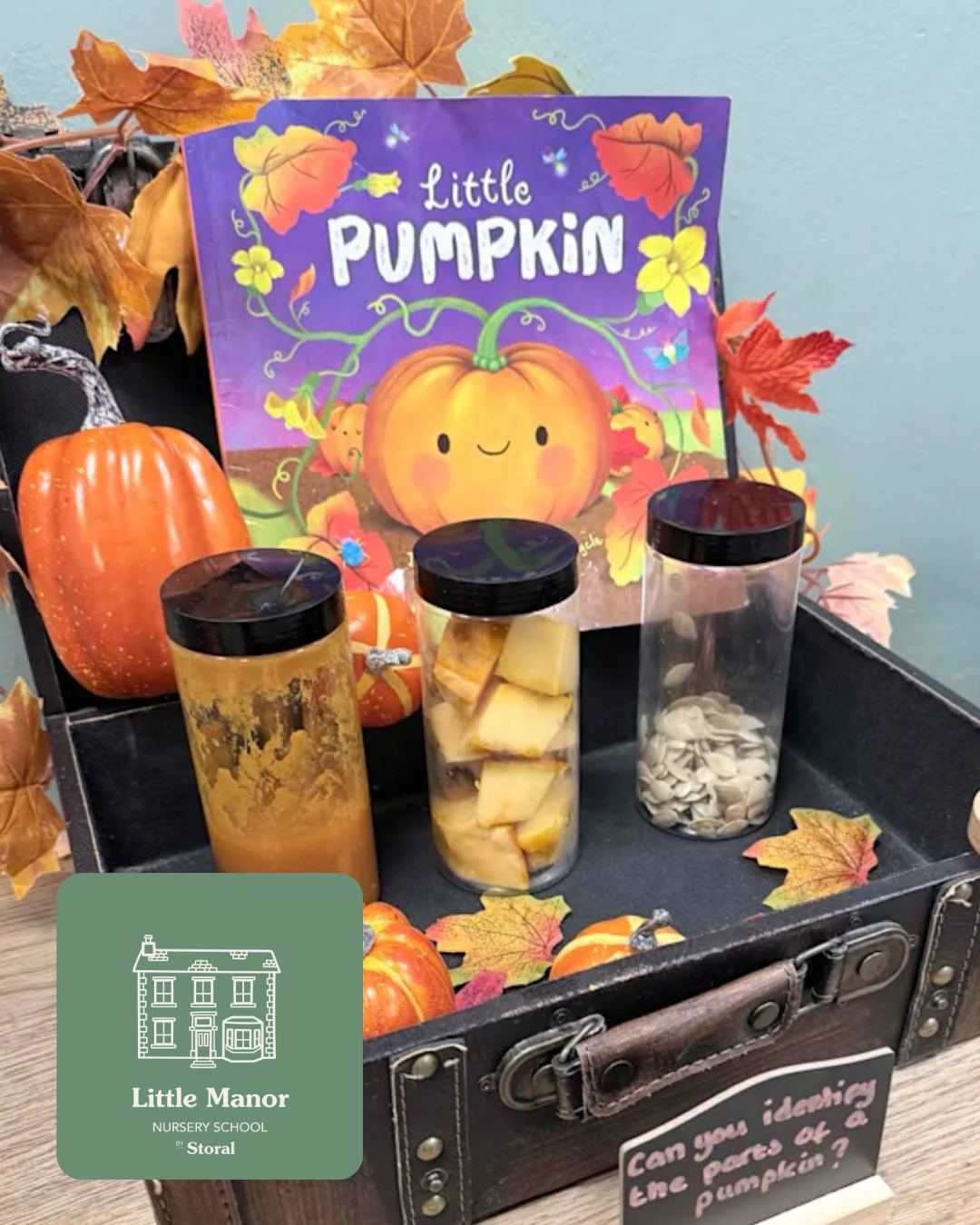
1. Can you identify the parts of a pumpkin?
Before decorating your pumpkin, why not investigate it first?
Encourage your child to look closely at the outside before exploring what's inside. Talk together about the skin, stalk, flesh and seeds, giving children plenty of time to touch, smell and investigate.Try asking:
- How does the pumpkin feel?
- What do you think we'll find inside?
- What do the seeds feel like?
- Does the inside smell different from the outside?
It's a simple way to turn a familiar autumn favourite into an opportunity for discovery.
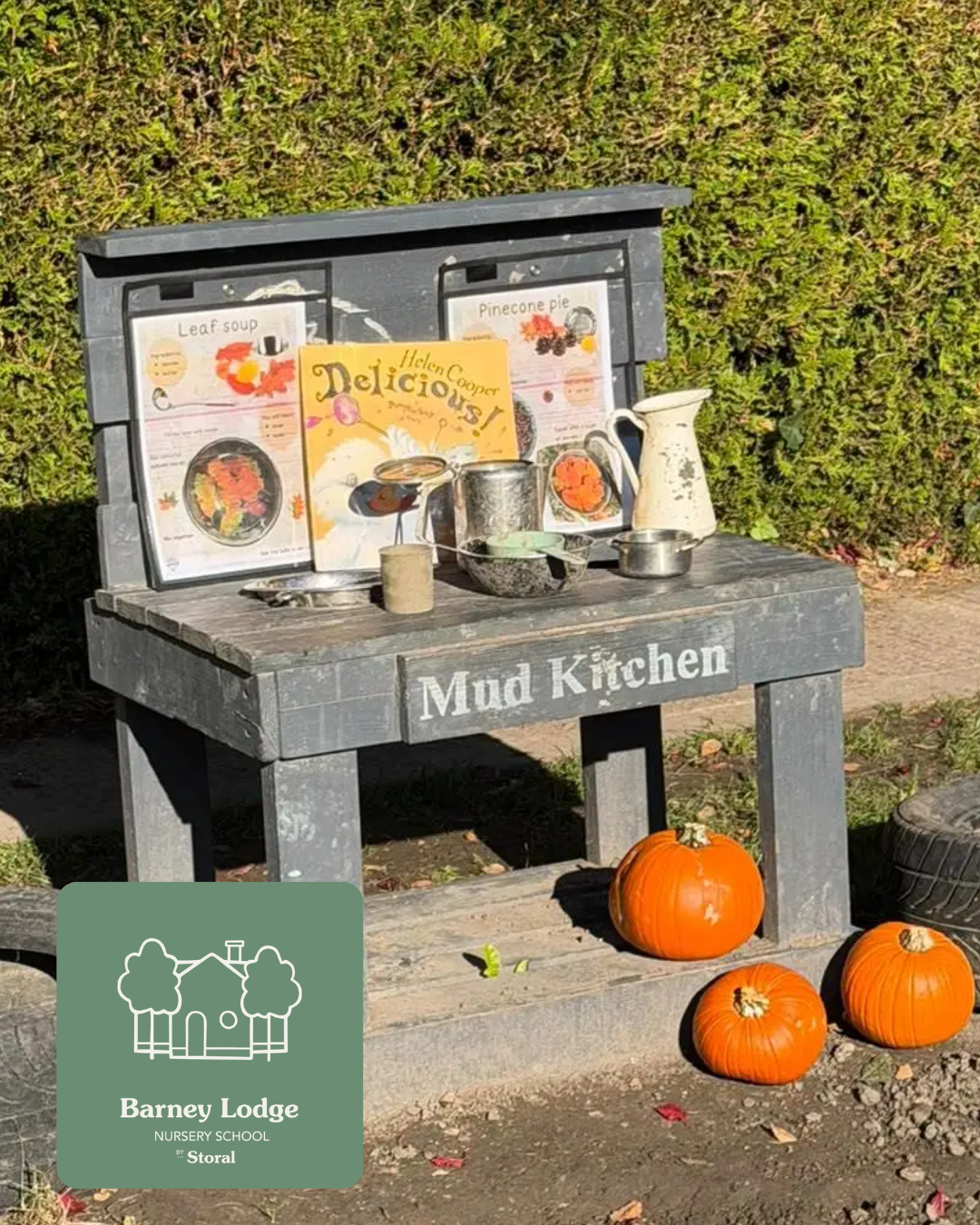
2. Leaf Soup or Pinecone Pie 🍂
Welcome to the autumn mud kitchen!
Collect leaves, pinecones, twigs and other fallen natural treasures and add them to bowls, pans, spoons and containers.
Then let children's imaginations take over. Will they make leaf soup, pinecone pie or create their very own autumn recipe?
No mud kitchen? No problem. A few old pots, bowls and wooden spoons outdoors work just as well.
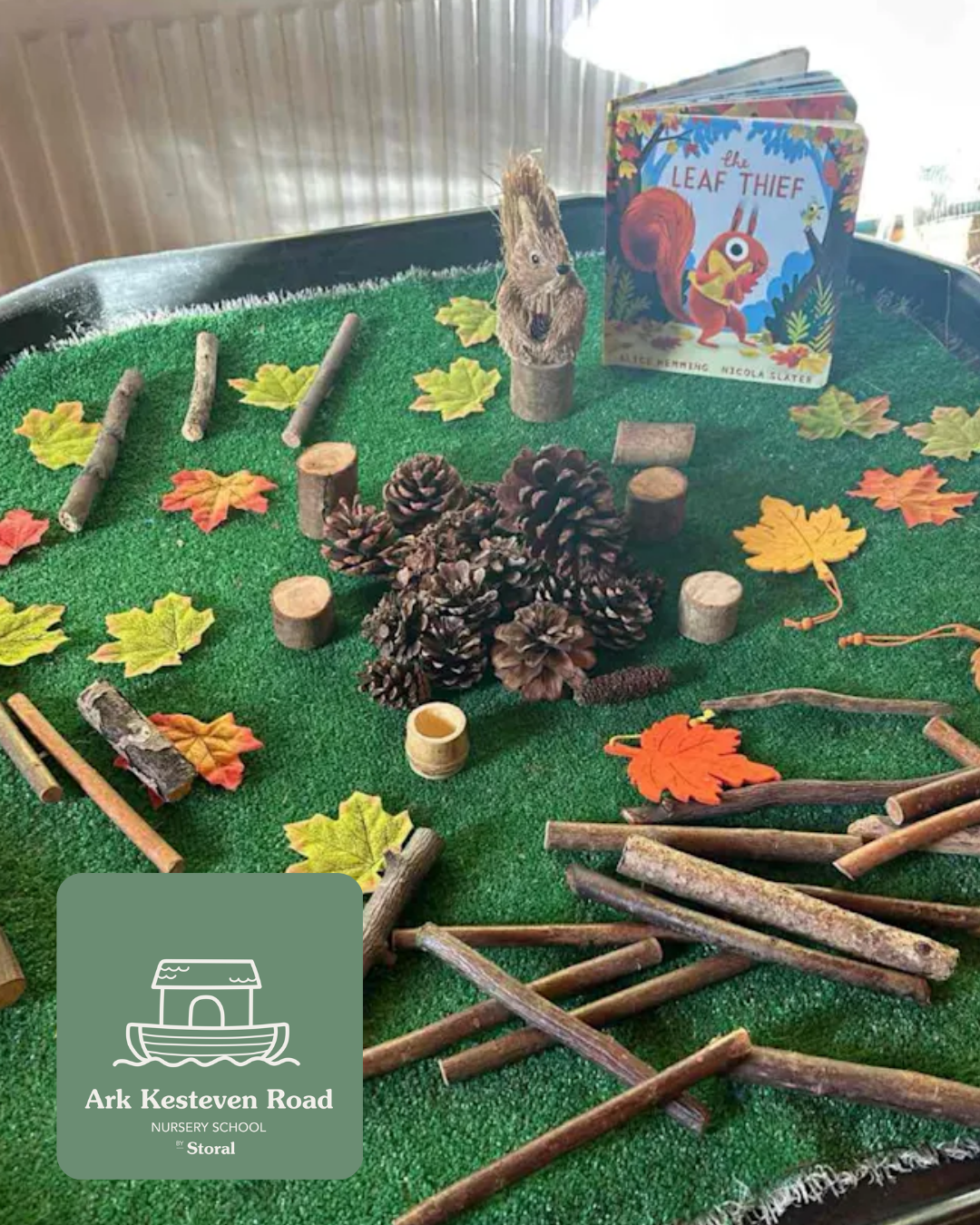
3. Read The Leaf Thief and create your own story
Start by enjoying The Leaf Thief together before wrapping up and heading out for a nature walk.
Collect fallen leaves, sticks, pinecones and other interesting natural resources along the way.
When you get home, arrange your discoveries to create pictures. Children could recreate something inspired by the story or use their finds to invent a completely new adventure.
Encourage them to tell you what's happening in their picture. Who are the characters? Where are they going? What happens next?
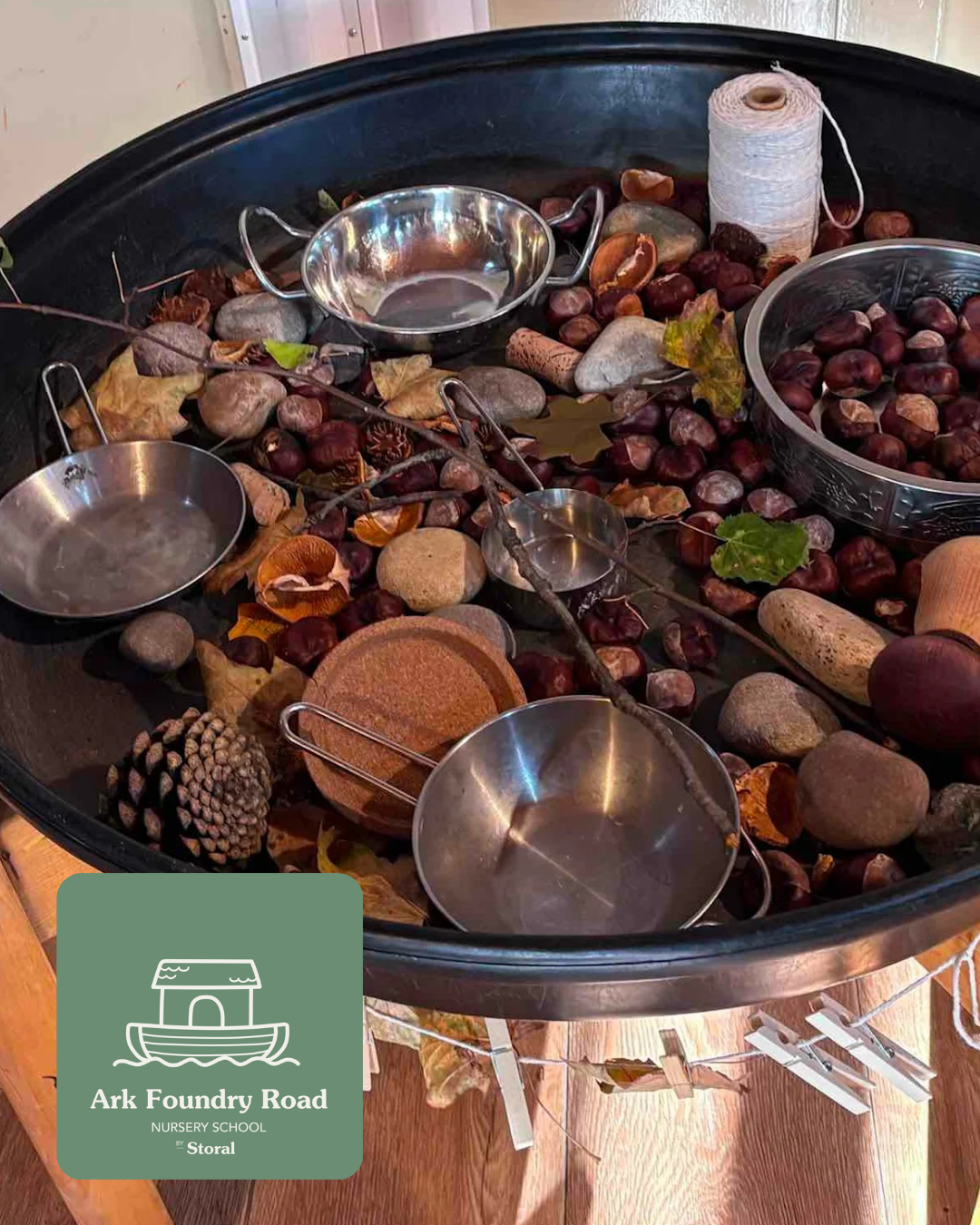
4. Conker filling and pouring
Turn your collection of conkers into a simple filling and pouring activity.
Provide different containers, bowls, scoops and spoons and encourage your child to experiment with moving the conkers from one place to another.
Try introducing some simple mathematical language as you play:
"Which one has more?"
"Which container is full?"
"Which one is empty?"
Remember: Conkers and other small natural objects can present a choking risk, so close adult supervision is important and the activity may not be suitable for younger children.
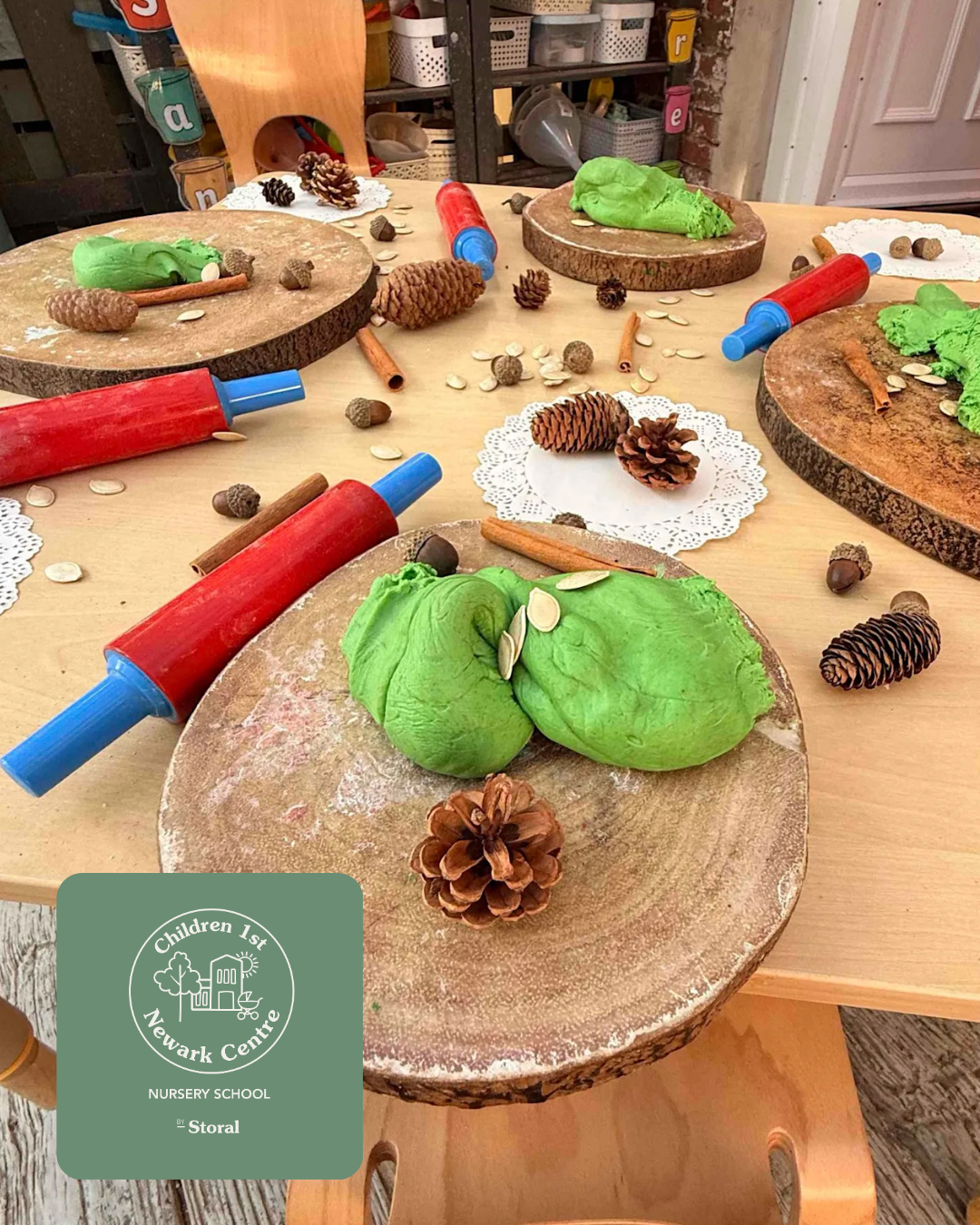
5. Pumpkin playdough faces
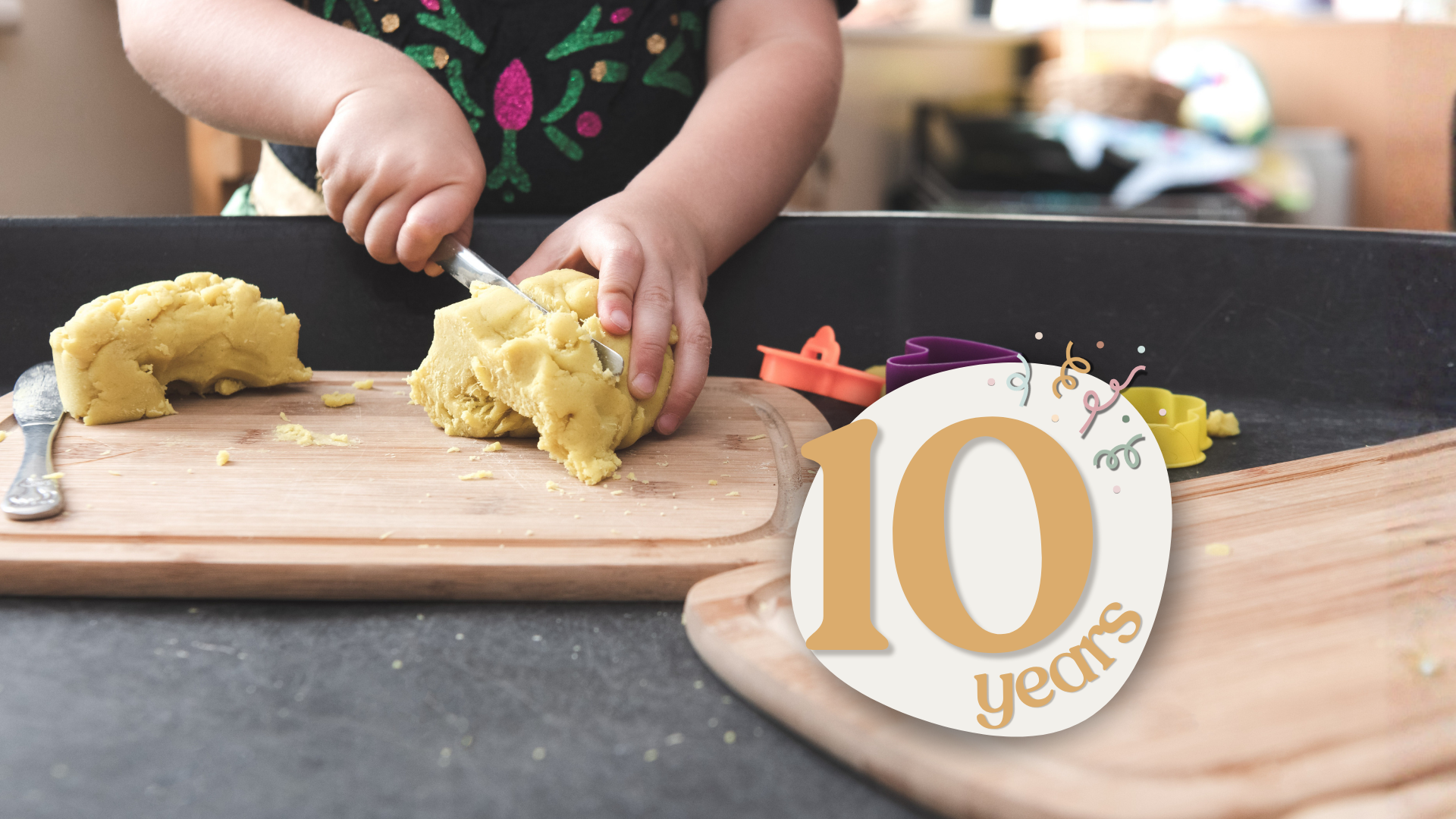
Create some pumpkin-inspired playdough and add pumpkin seeds and suitable craft materials.
Children can squash, squeeze and roll their playdough before creating their very own pumpkin faces.
Can they make a happy pumpkin? A surprised one? A very silly one?
Let them decide what their pumpkin should look like.
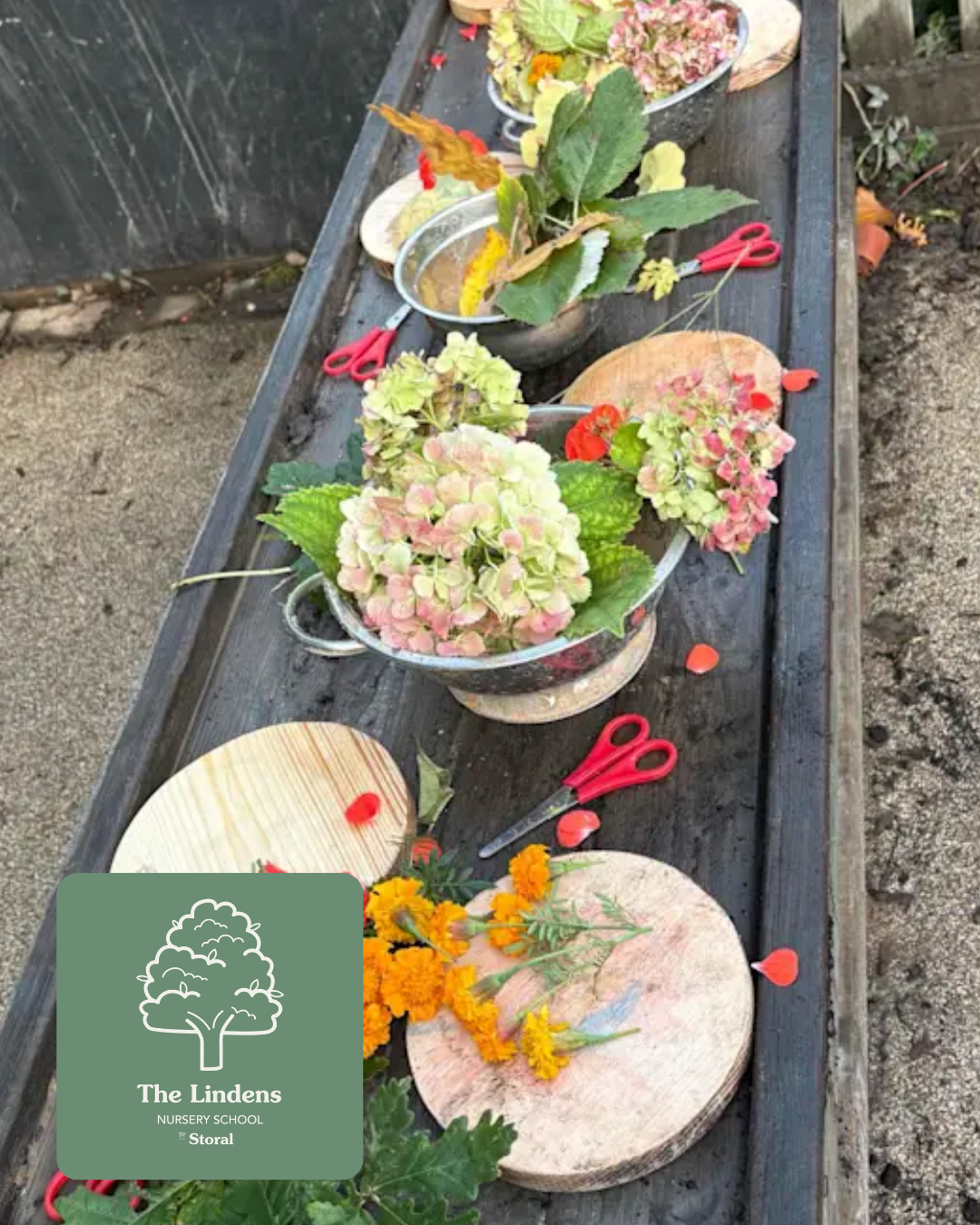
6. Autumn flower potions 🌸
It's time for a little autumn potion making!
Collect fallen petals, leaves and herbs and add bowls, spoons and a little water.
Children can mix, stir, pour and squash the ingredients together while discovering different colours, textures and smells.
Rather than telling them what to make, try asking: "What will happen if we add this?"
Then see where their curiosity takes them.
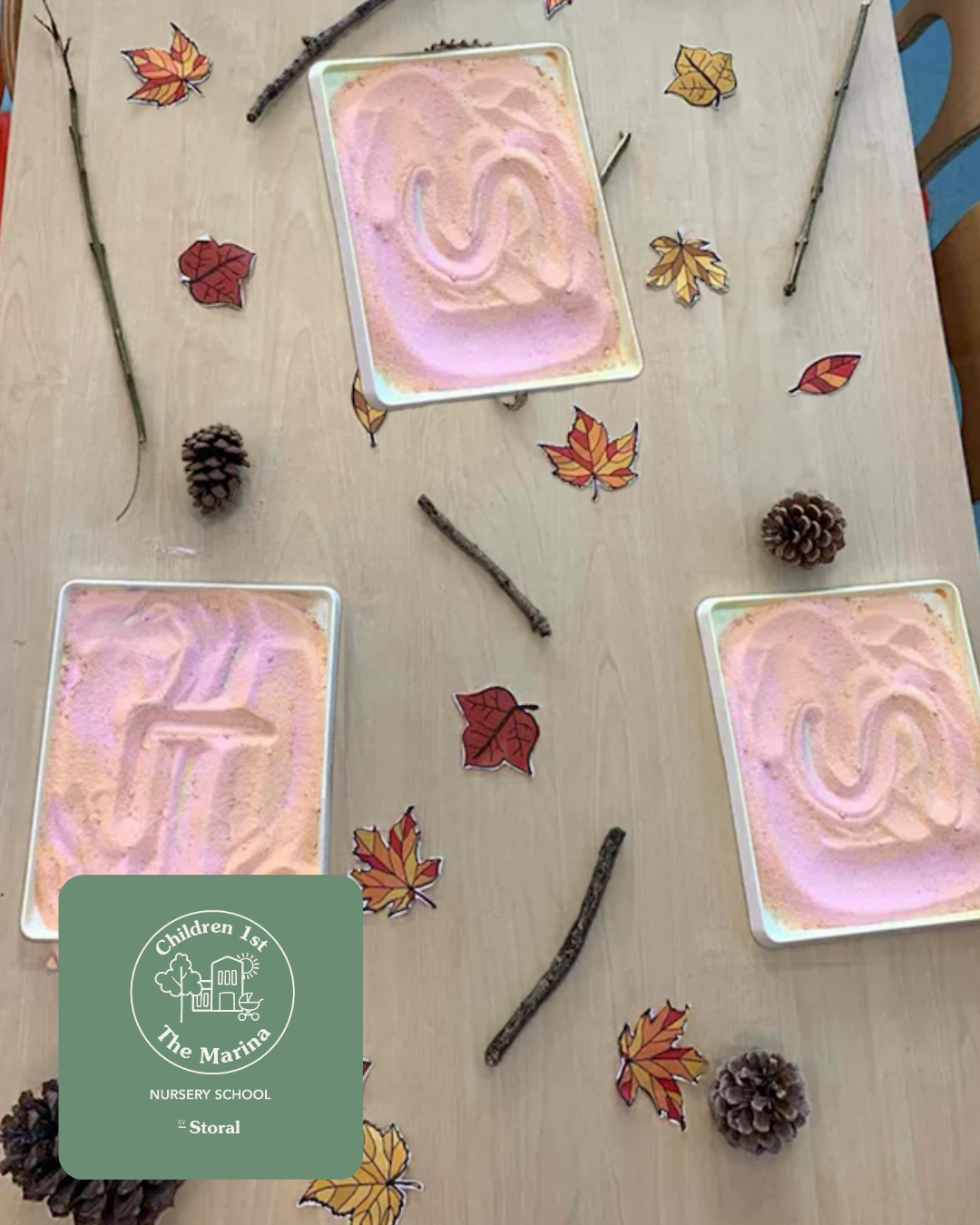
7. Use sticks to create shapes in the sand
Sometimes the simplest activities can create lots of opportunities to explore.
Find a stick and use it to make marks in sand or soil.
Can your child make a line? A circle? A square or triangle?
Once you've experimented with familiar shapes, see what else your child decides to create. They might make patterns, pictures, letters or simply enjoy making their own marks.
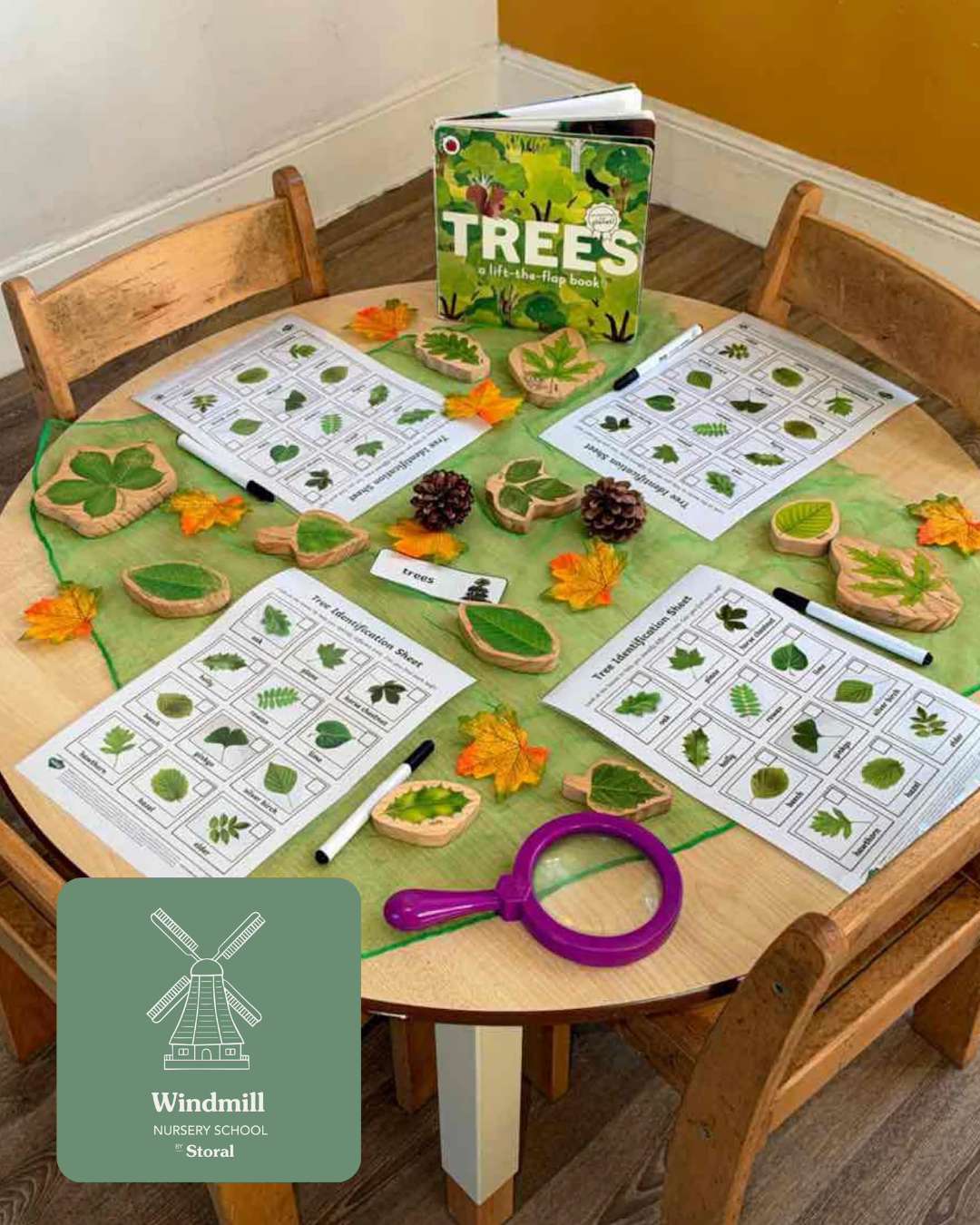
8. Identifying leaves from the trees: let's go on a nature walk 🍁
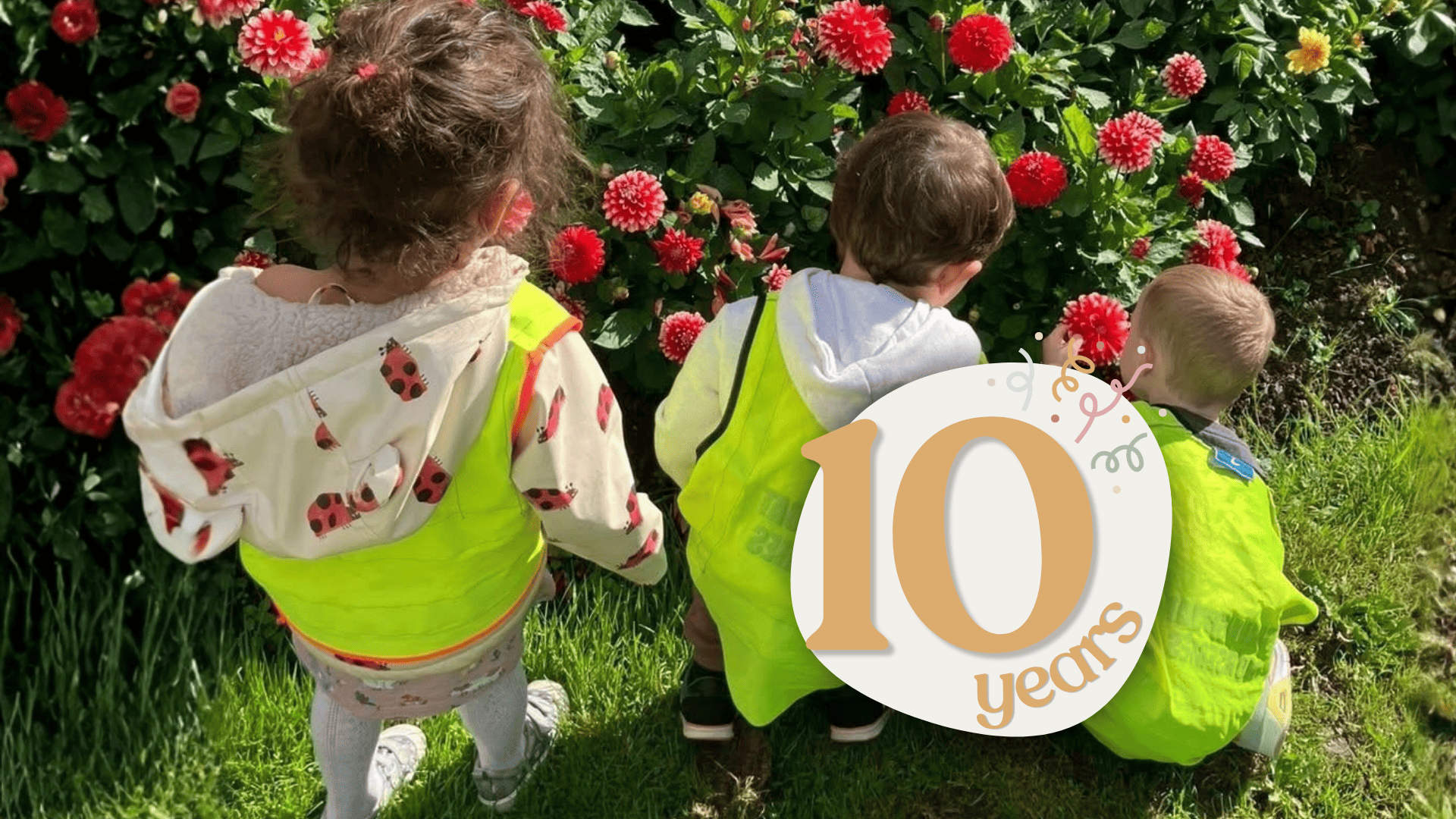
Wrap up warm and head out together on an autumn nature walk.
Look closely at the leaves you find along the way. What colours can you see? Are they all the same shape? Can you find a really big leaf and a tiny one?
Older children might enjoy investigating which trees different leaves have fallen from.
Bring a few fallen favourites home and use them in your autumn activities and artwork.
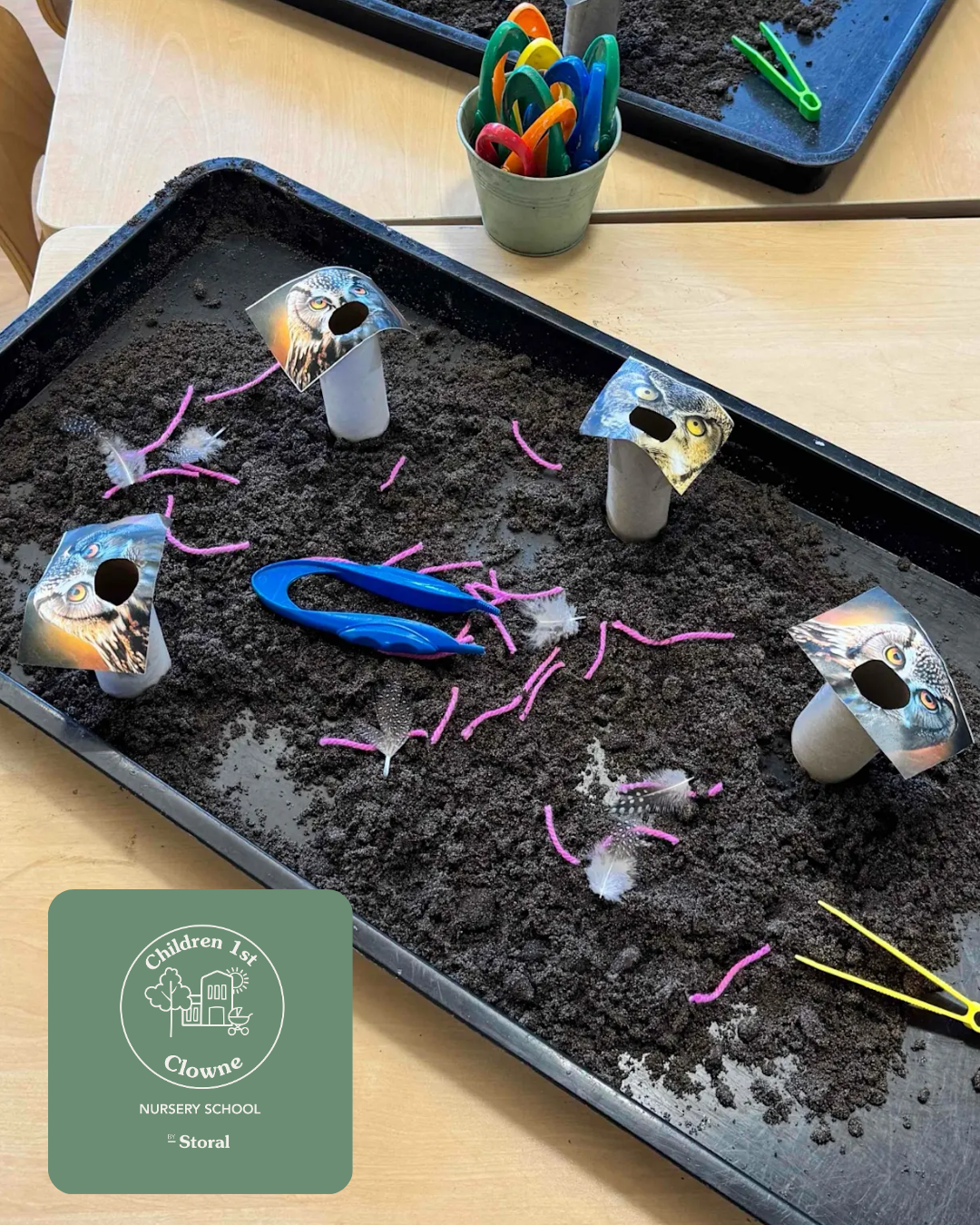
9. Feed the owls their worms! 🦉
Oh no, the owls are hungry!
Create a fun fine-motor activity by adding pretend wriggly worms and child-safe tweezers or tongs.
Can your child carefully pick up each worm and feed it to the hungry owl?
You could even add some counting. How many worms has your owl eaten? Can you give each owl the same number?
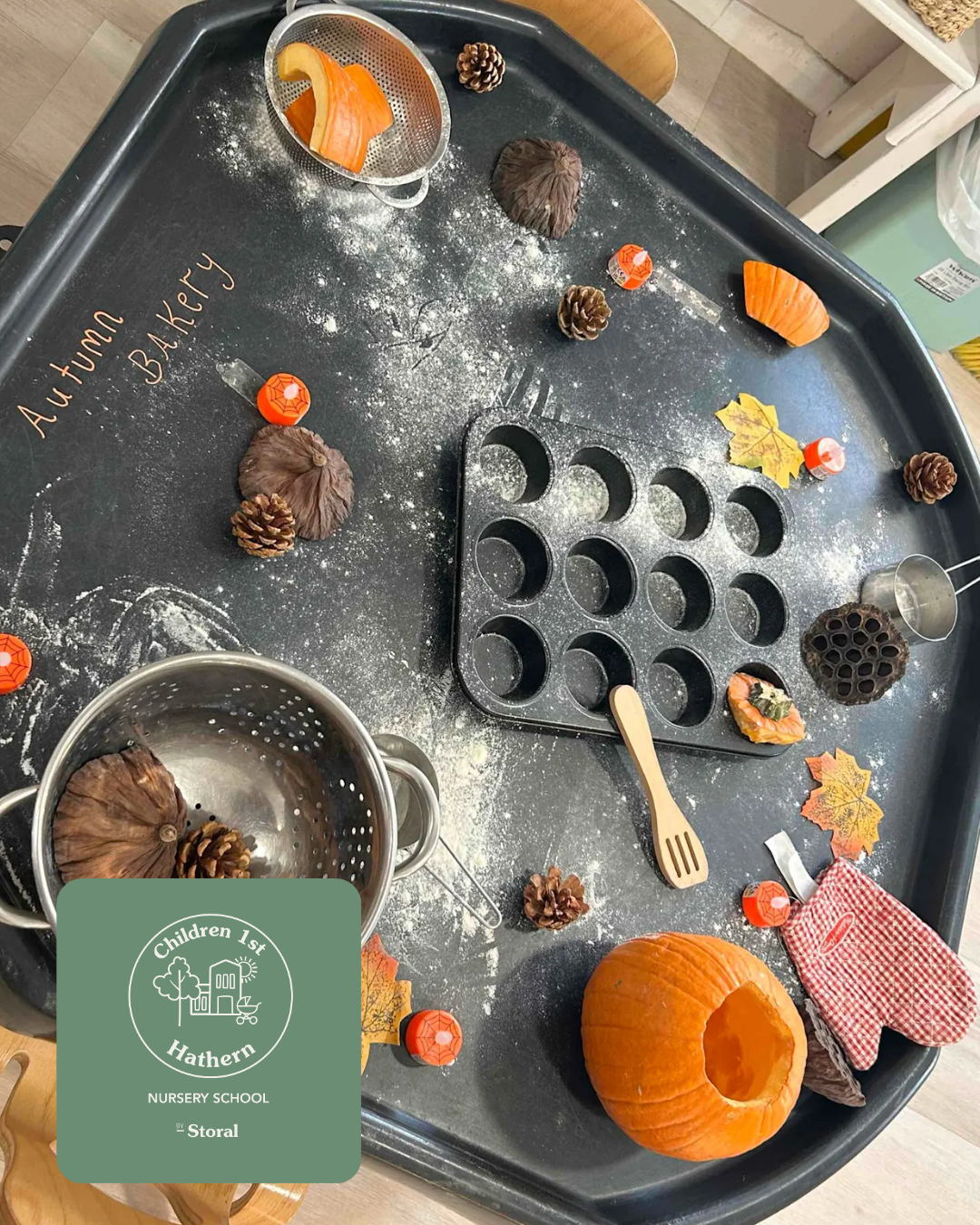
10. Autumn Bakery
Welcome to the Autumn Bakery!
Create a pretend bakery using playdough or other suitable sensory materials alongside autumn-inspired scents and spices.
Encourage children to smell each one.
Are they different? Which smell do they like best? Does the scent remind them of anything?
Then it's time to get baking. Children could make pretend autumn biscuits, cakes and pies, or invent their own speciality for the bakery.
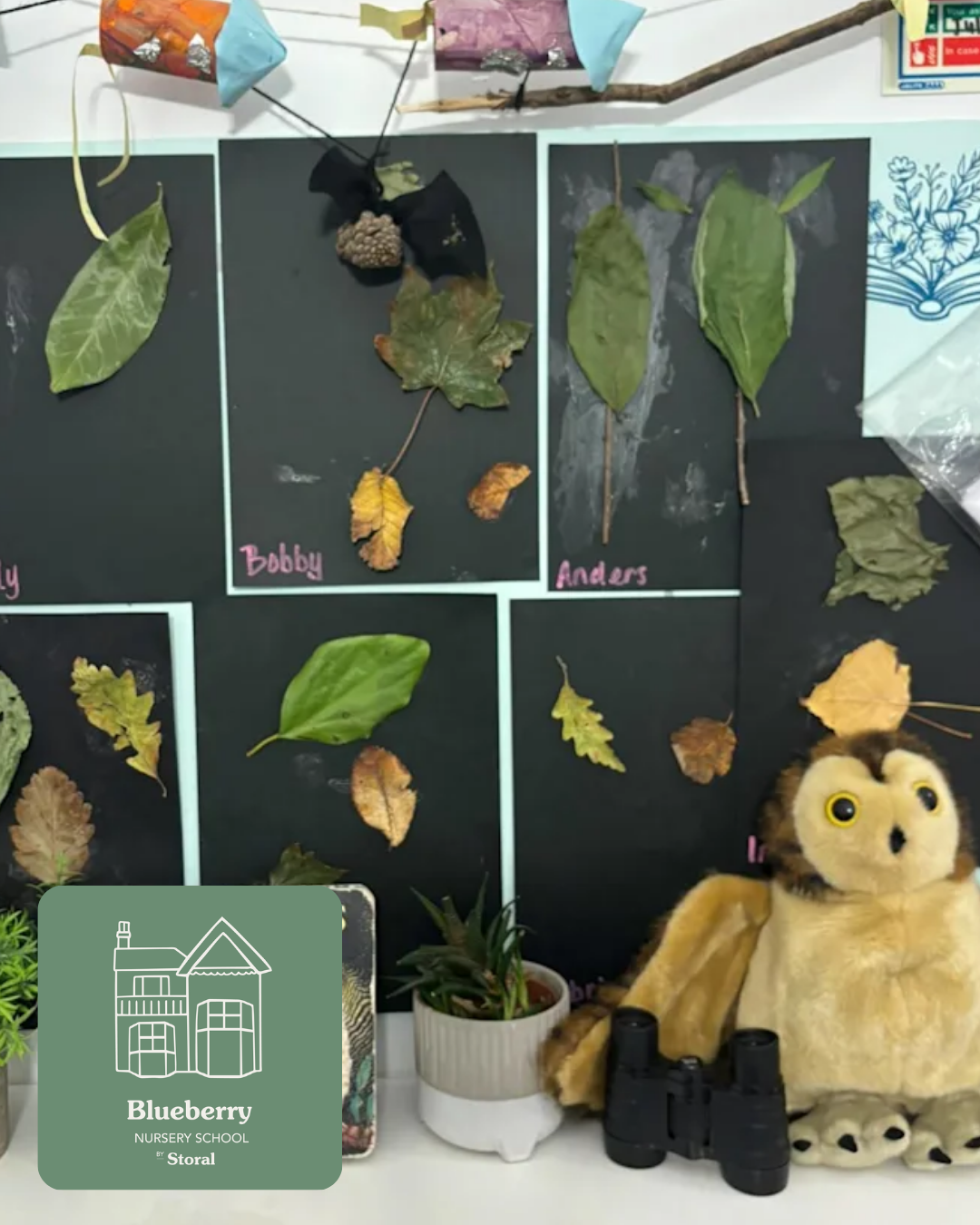
11. Owl Babies nature pictures
Enjoy Owl Babies together before heading outside on a nature hunt.
Collect fallen leaves, twigs and other interesting natural treasures that you could use to create your own owl.
Back at home, arrange your finds against a dark background to create an owl sitting beneath a midnight sky.
Your twigs might become branches, leaves could become feathers and natural treasures could become the features of your owl.
There is no need for every owl to look the same. Let children create their own.
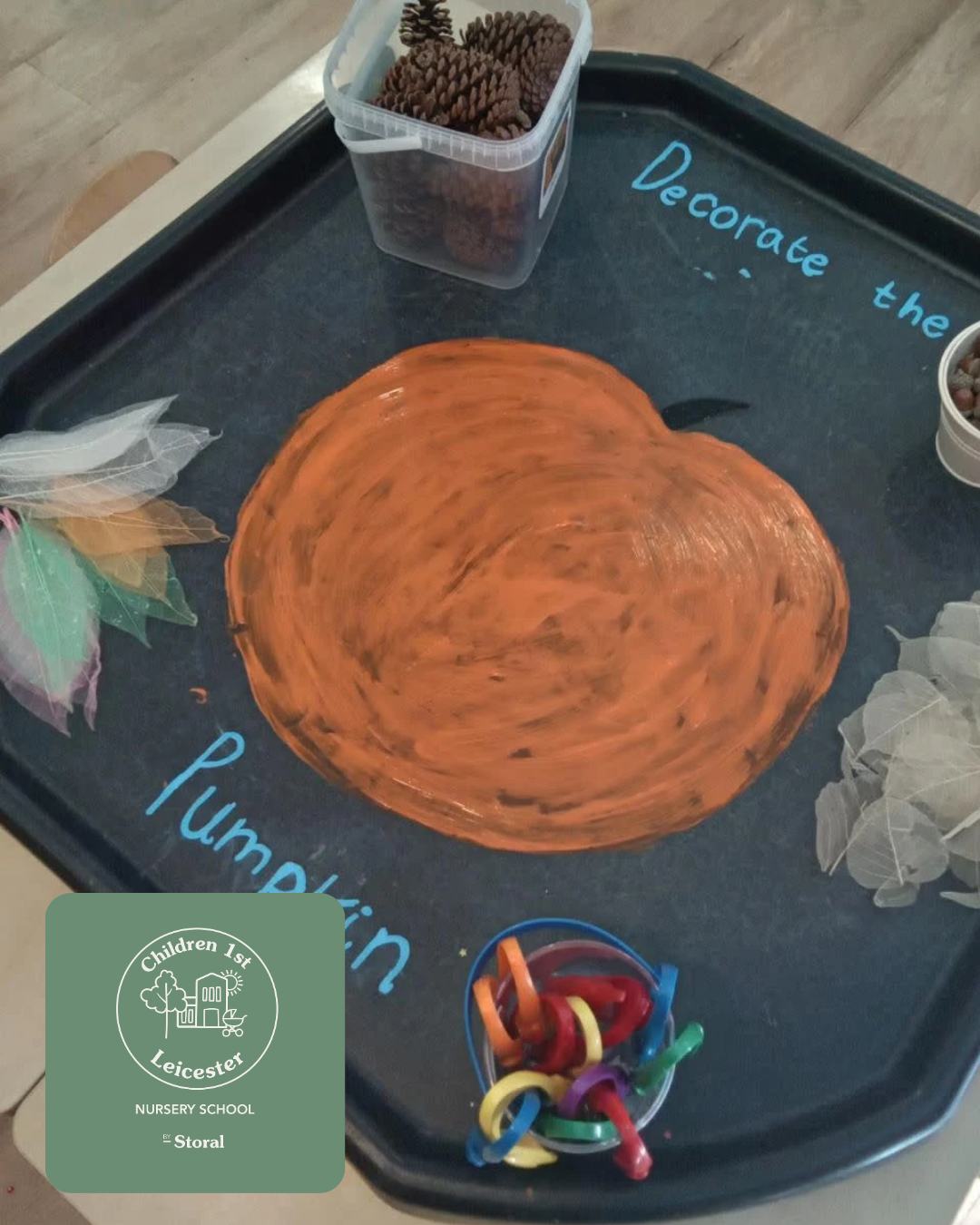
12. Decorating a pumpkin 🎃
Pumpkin decorating can be just as much fun as carving and is a lovely way for little ones to get involved.
Provide paints, brushes and age-appropriate craft materials and let your child decide how their pumpkin should look.
It could have spots, stripes, patterns, a funny face or lots and lots of colour.
The fun is in allowing children to make their pumpkin completely their own.
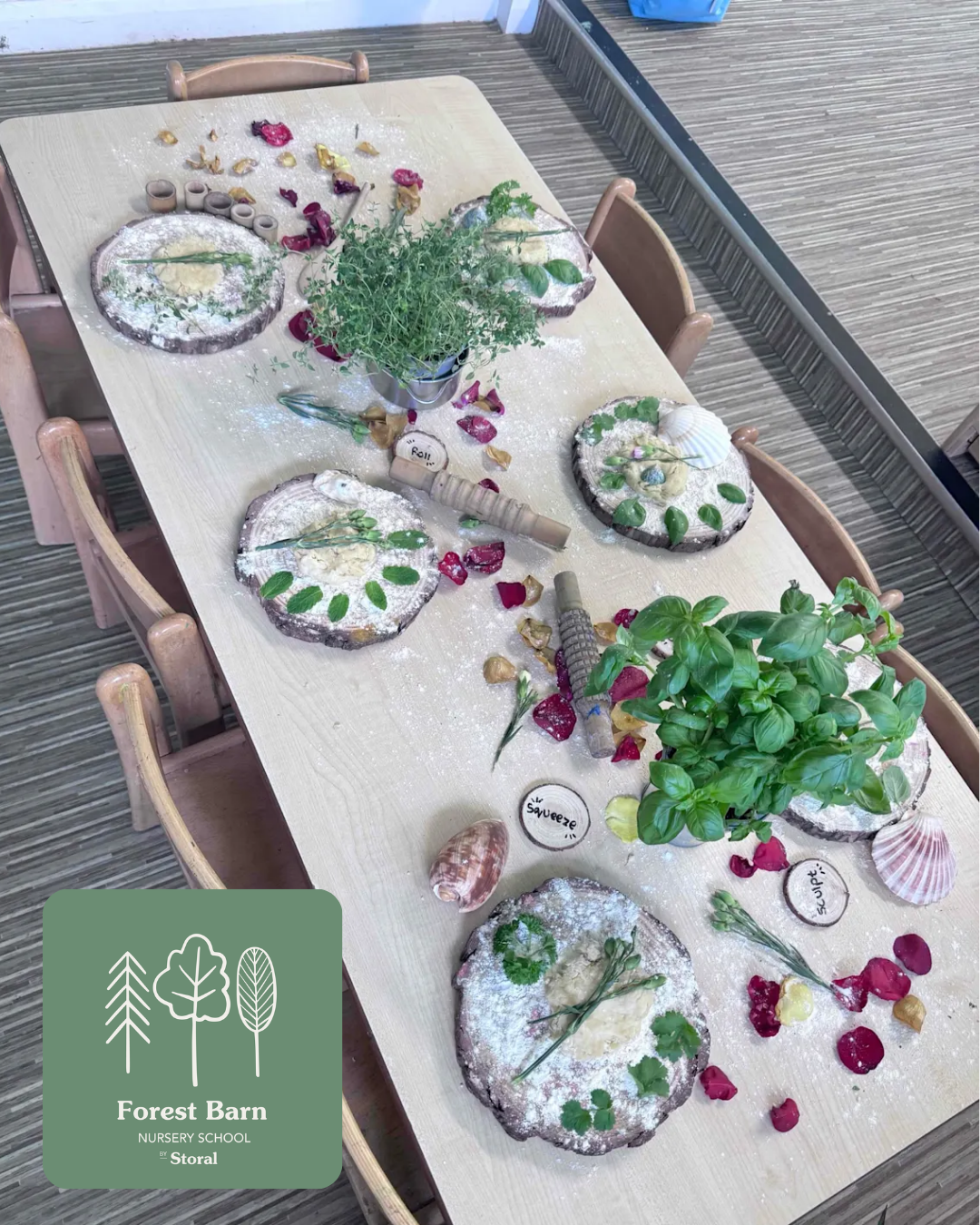
13. Autumn texture table with herbs
Create an autumn sensory table using different herbs alongside interesting natural materials.
Encourage children to touch and smell each one.
Introduce new words as you explore together. Does something feel rough, smooth, soft, crunchy or bumpy? Does it have a strong smell or hardly any smell at all?
Following children's observations can lead to some wonderful conversations.
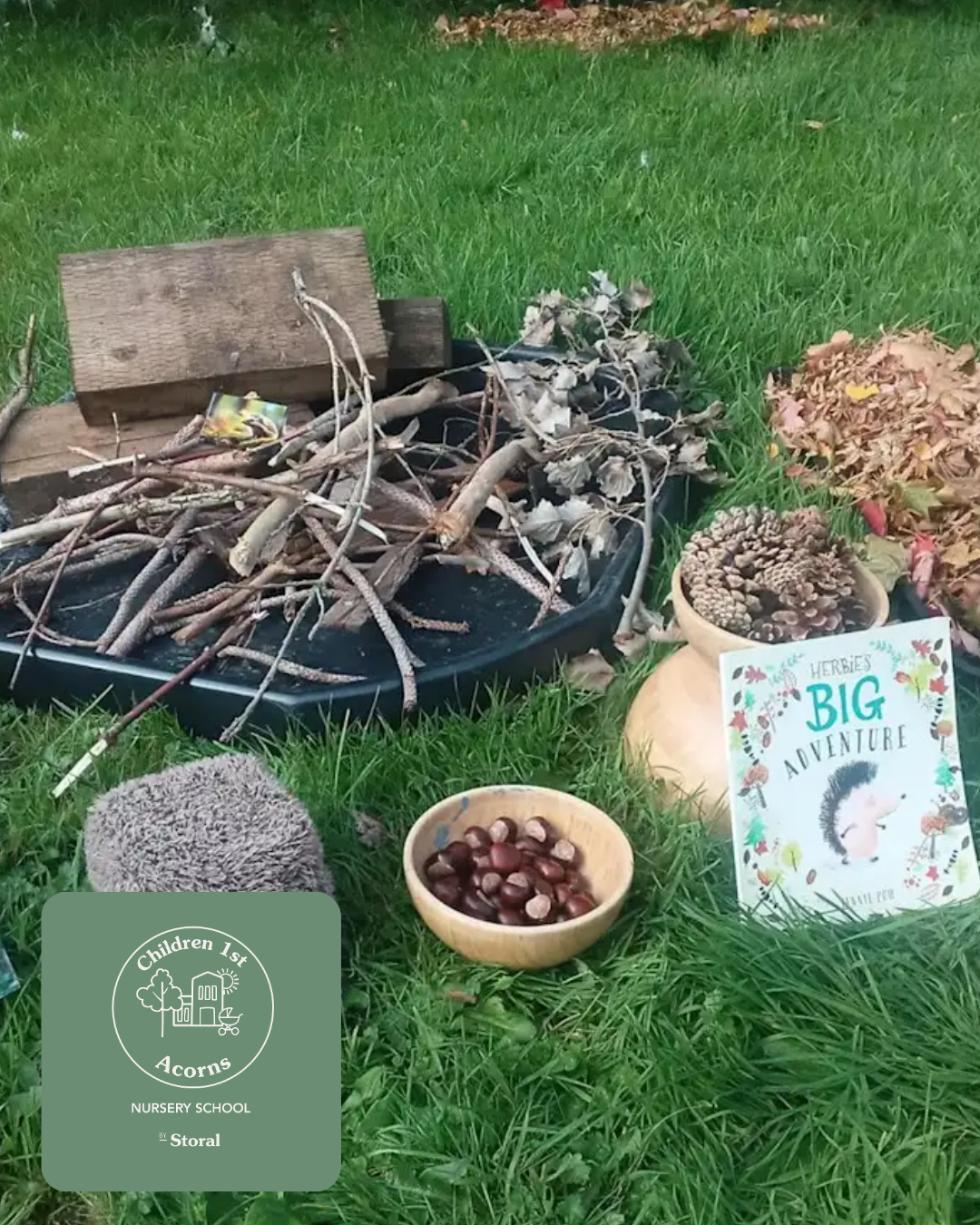
14. Create a hedgehog house 🦔
After reading Herbie's Big Adventure, head outside and think about what might make a cosy home for a hedgehog.
Using appropriate natural materials you've found in the garden, encourage your child to create their own pretend hedgehog house.
Talk about the different animals we might spot at this time of year and what they need from their environment.
Your hedgehog creation doesn't need to be perfect. Building, rearranging and experimenting are all part of the fun.
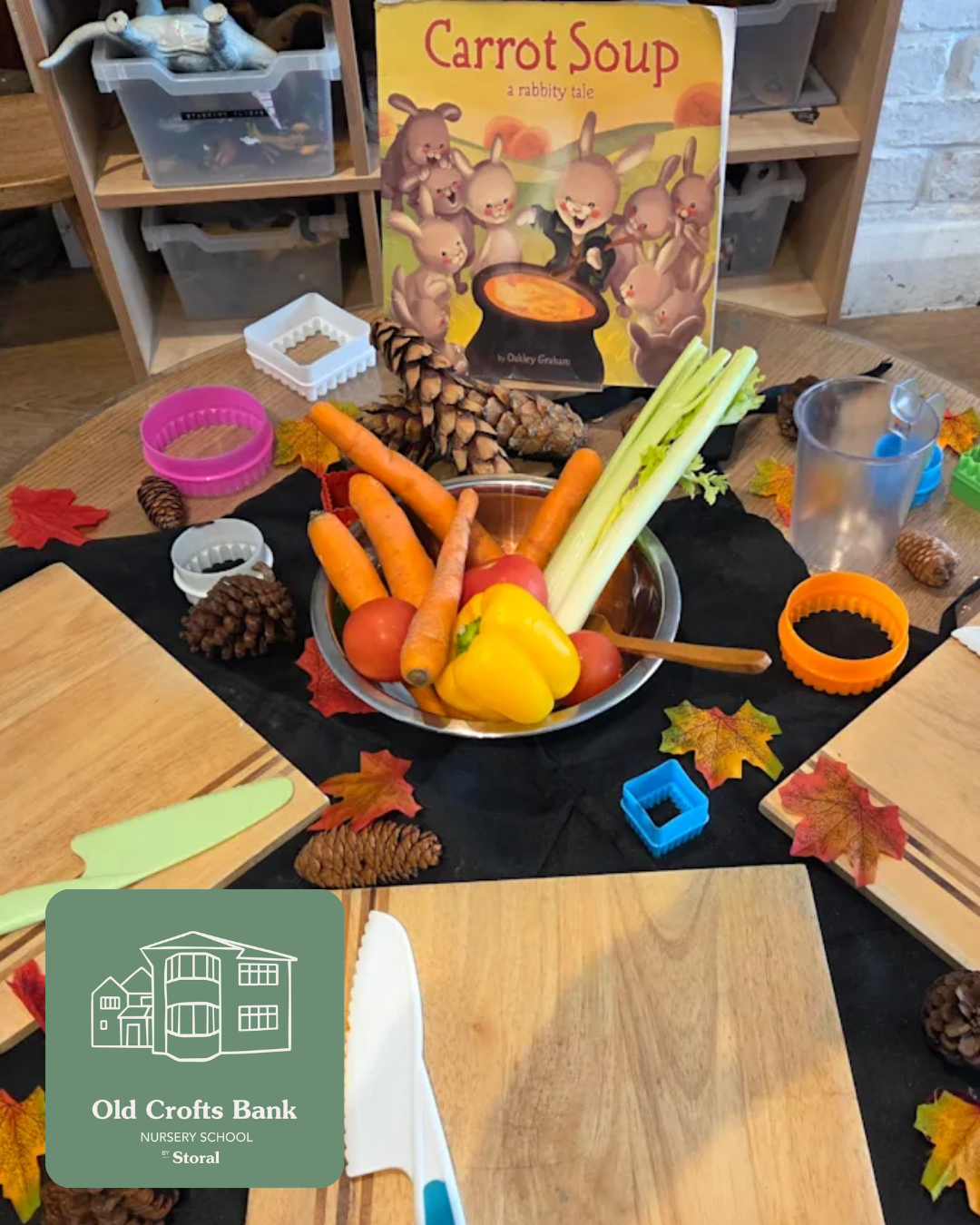
15. Create your own carrot soup 🥕
Take your autumn activities into the kitchen by making some warming carrot soup together.
Children can get involved in age-appropriate parts of the preparation, such as washing ingredients, adding them to a bowl or stirring.
With close adult supervision and appropriate child-safe utensils, older children may also be able to practise carefully preparing soft ingredients.
As you cook, look at how the ingredients change.
What happens to their colour and texture? What can you smell? What do you think the finished soup will taste like?
Then sit down and enjoy your creation together.
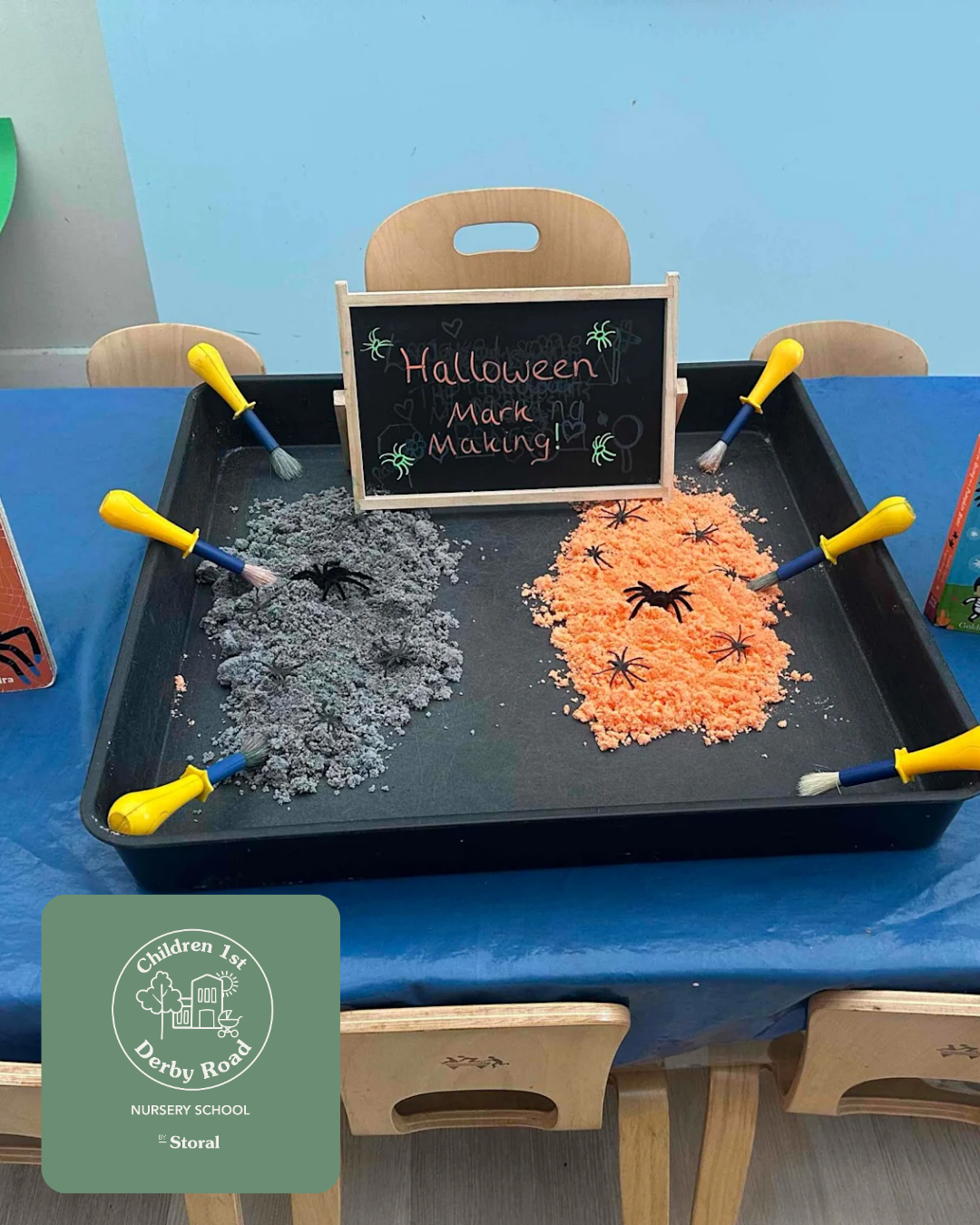
16. Halloween mark making with autumn colours
Bring together crayons, chalk, pencils or paints in rich autumnal colours and let your child experiment with making their own marks.
They might create pumpkins, leaves or Halloween-inspired pictures, or their creations may be completely abstract.
For younger children especially, the finished picture doesn't need to look like anything. Give them the freedom to explore the materials and enjoy the process of creating.
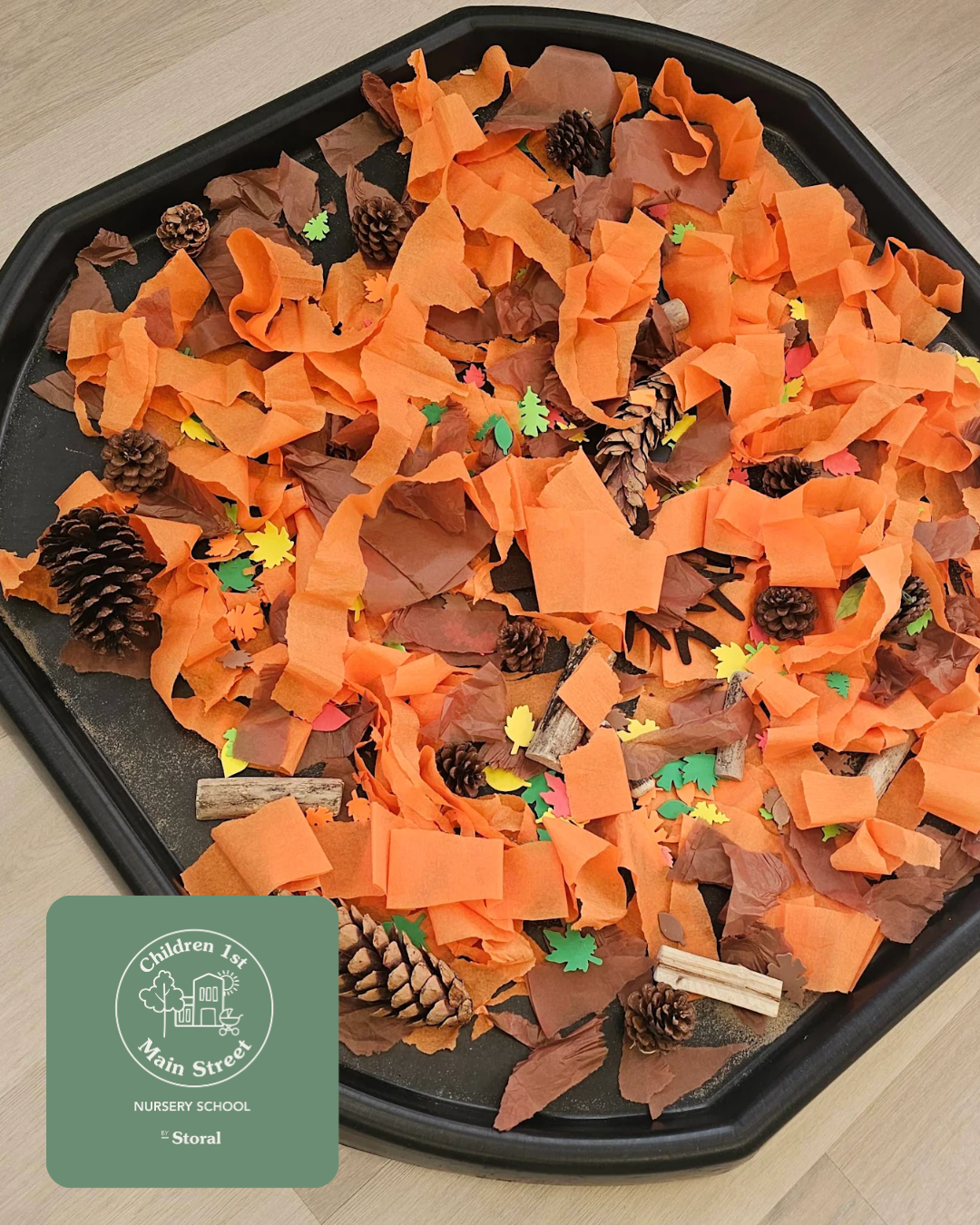
17. Hide and seek in the sensory table
Hide some age-appropriate objects amongst your autumn sensory materials and see what your child can discover.
Can they feel around and find what's hiding?
You can introduce words such as under, behind, next to, inside and on top as you play together.
If you're using conkers in your sensory tray, always supervise children closely because of the choking risk.
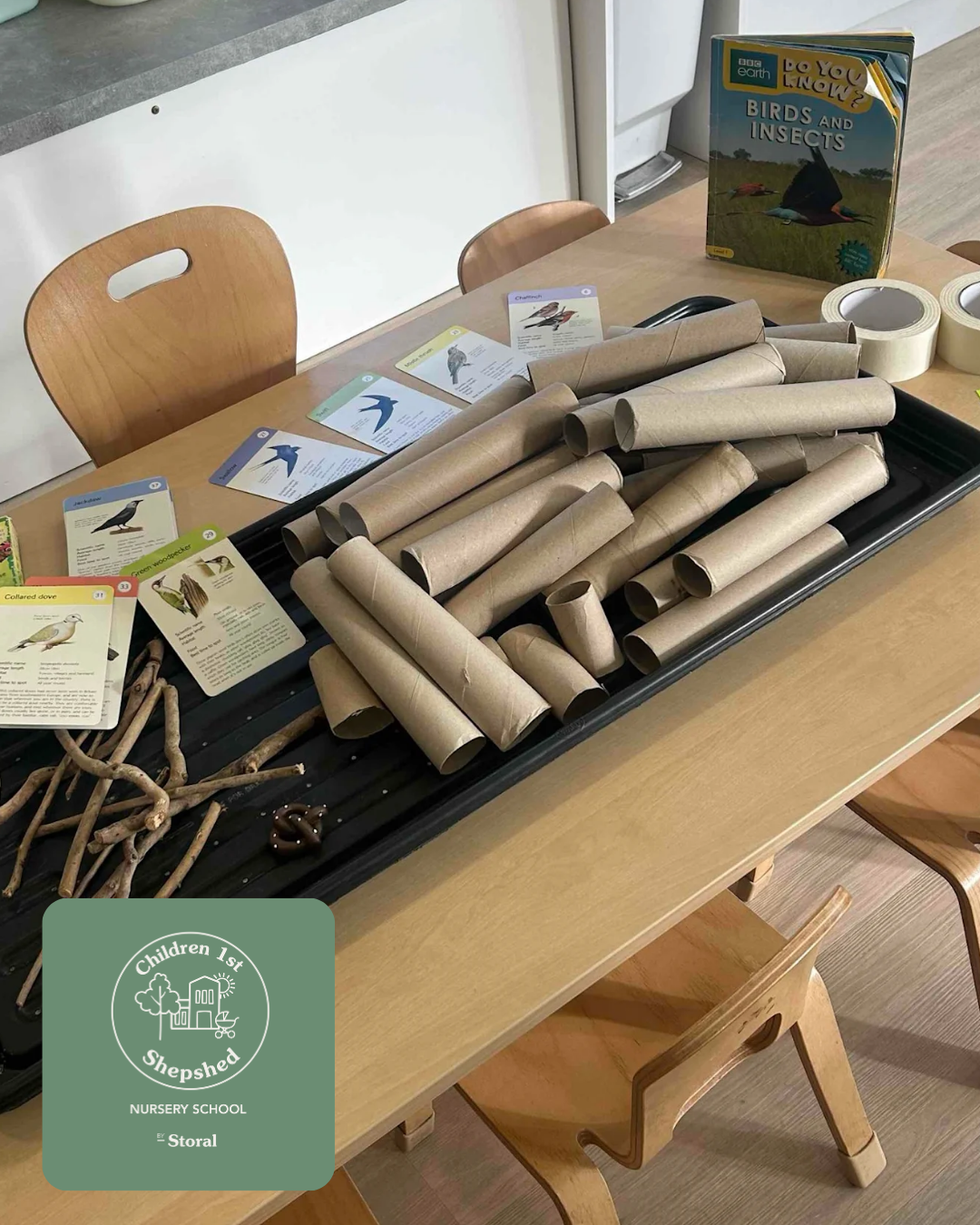
18. Can you make binoculars? Let's find some birds! 🐦
Before your next autumn walk, make your own binoculars using two cardboard tubes.
Then take them outside and become birdwatchers.
Encourage your child to stop, look and listen carefully. Can they see a bird sitting in a tree? Can they hear any birds before they spot them?
You don't always have to find something. Simply slowing down and noticing the world around you is part of the adventure.
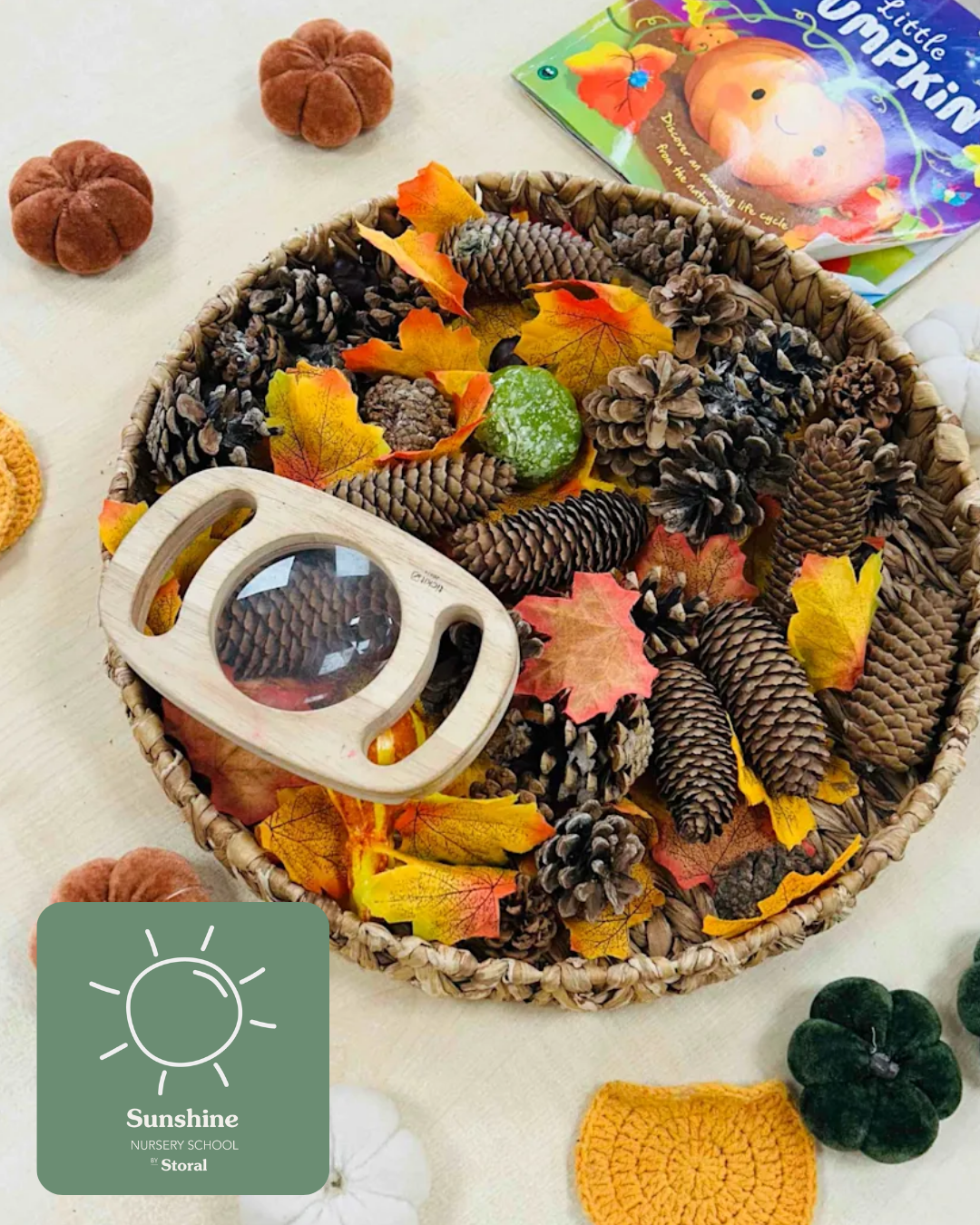
19. Autumn investigation table 🔎
What happens when we take an even closer look at autumn?
Collect a selection of fallen leaves, pinecones, twigs, seeds and other natural treasures and create your own investigation station.
Provide a magnifying glass and let your child have a closer look.
What can they see that they couldn't see before?
Look for tiny lines, interesting textures, different colours and patterns. Encourage your little explorer to tell you what they've discovered.
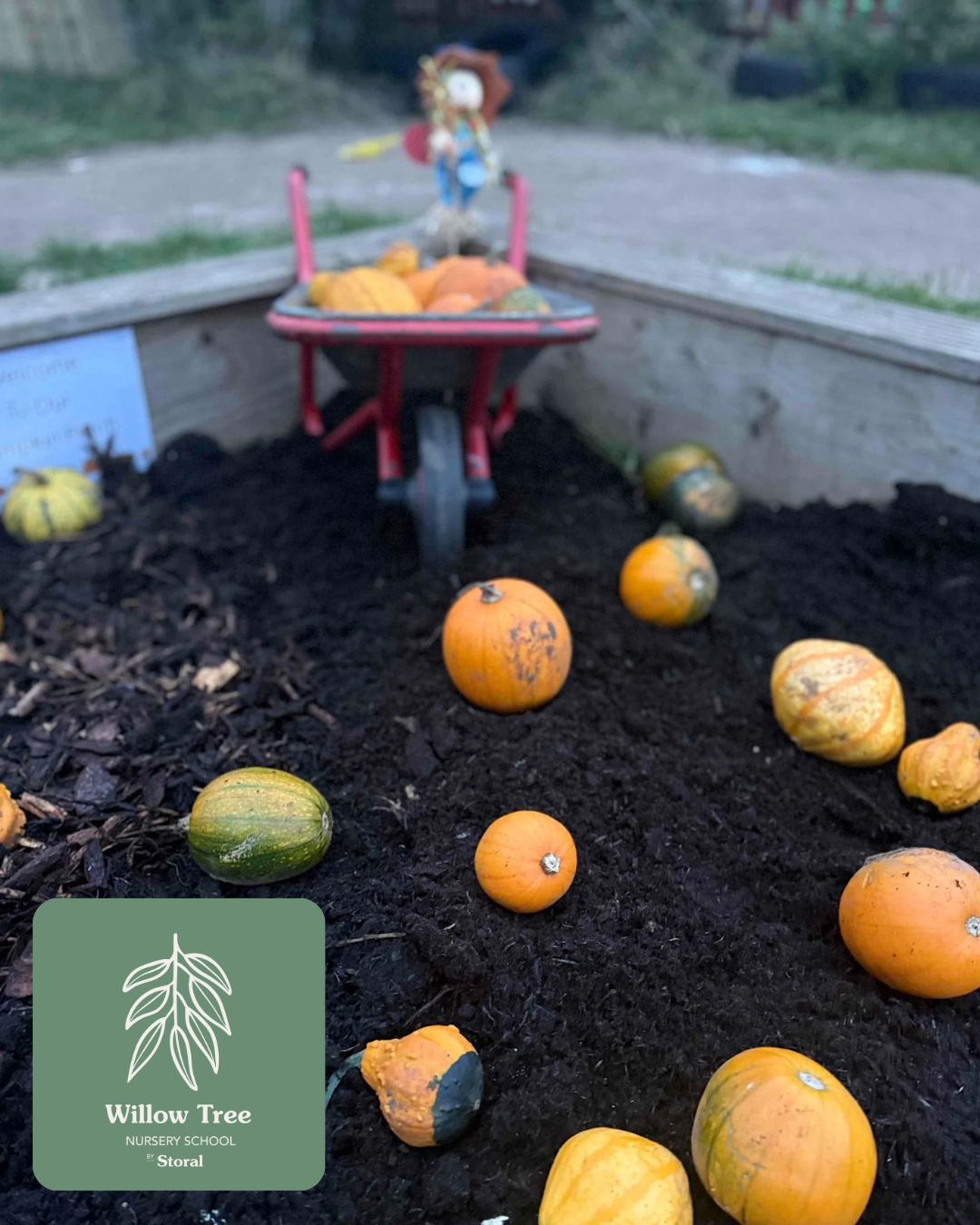
20. Pick your own pumpkin patch 🎃
Finish your autumn adventures with your very own pretend pumpkin patch.
Arrange pumpkins of different sizes for your child to explore and choose from.
Can they find the biggest pumpkin? What about the smallest? Do they all look the same? Which pumpkin would they choose to take home?
You could even add baskets, signs or a pretend shop to allow the activity to develop into imaginative role play.
Make the most of autumn together 🍂
Autumn provides so many opportunities for children to explore, investigate, create and imagine.
You don't need to complete all 20 activities or make every experience picture-perfect. Follow your child's interests and see where their curiosity takes you.
A simple nature walk might lead to collecting leaves, which inspires a picture, which becomes a story, which leads to another adventure altogether.
At Storal, we believe childhood should be filled with opportunities to explore the world, ask questions and learn through meaningful experiences. Sometimes, the very best adventures begin by pulling on your wellies and stepping outside.