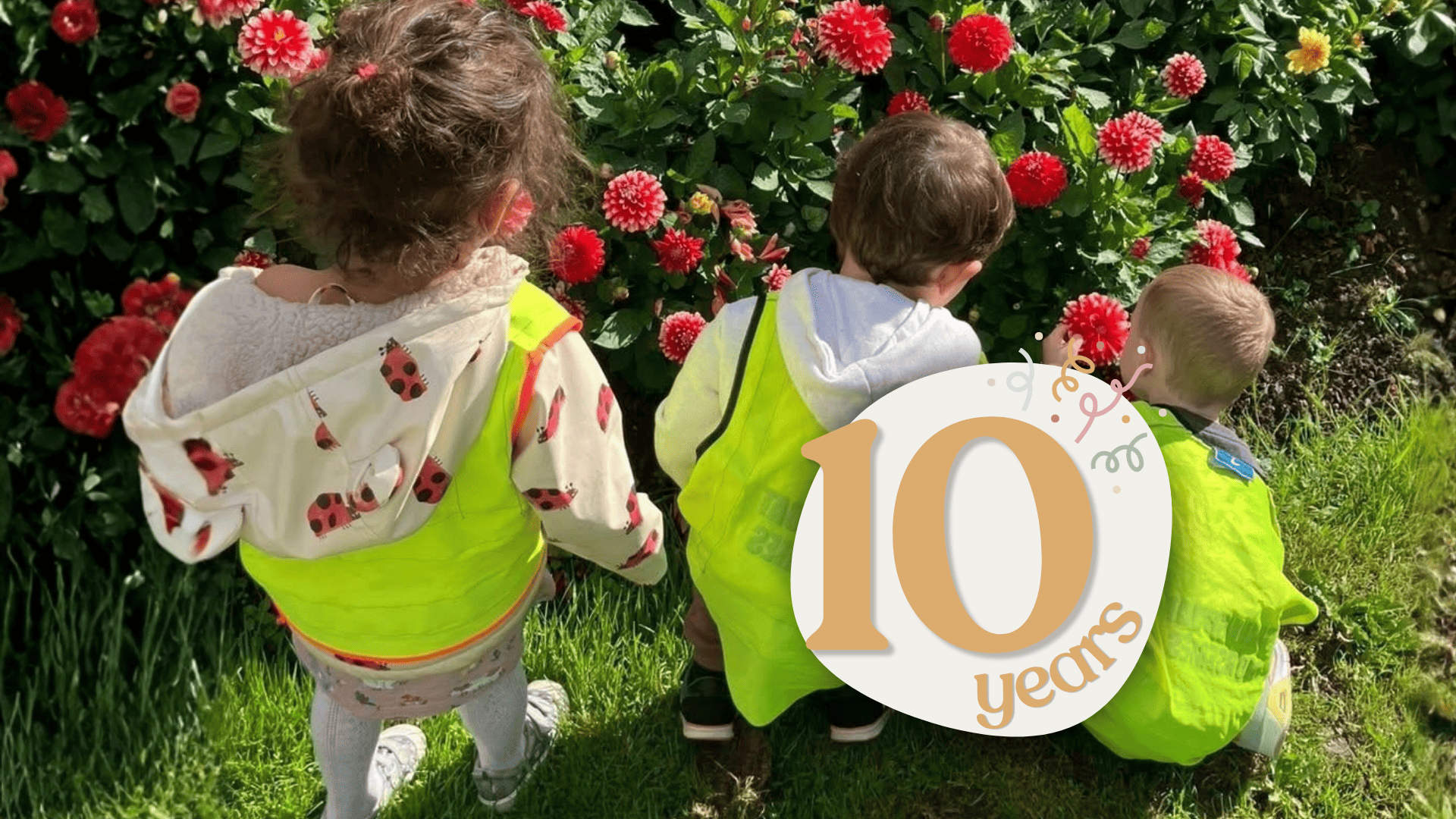
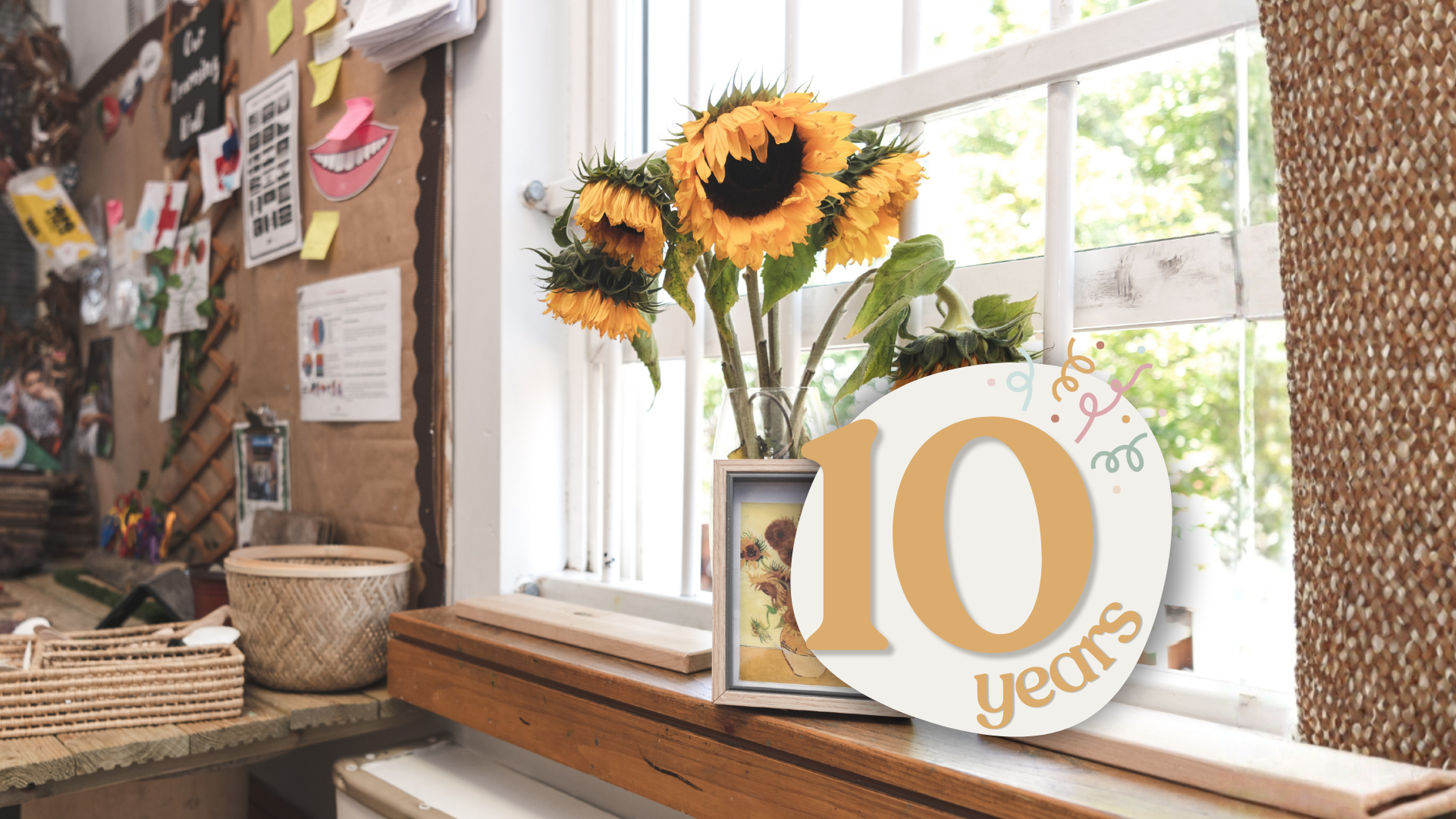
A truly curious classroom is built on inquiry-led learning, where children are encouraged to explore, question and discover at their own pace. In this article, our Head of Learning and Development, Sioban Ryan, shares practical insights into slow pedagogy and explains how our educators nurture children's natural curiosity, using observation, reflection and research to deepen learning and support meaningful development.
What is the theory behind slow pedagogy?
Despite the name, slow pedagogy isn't about doing everything slowly. It's about creating the time and space for children to think deeply, follow their interests and become fully immersed in their learning.
At Storal, we see every child as capable, resourceful and full of potential. Rather than viewing learning as something that is delivered to a child, we see it as something we discover alongside them. Our educators intentionally slow down, paying close attention to the questions, ideas and discoveries children make every day.
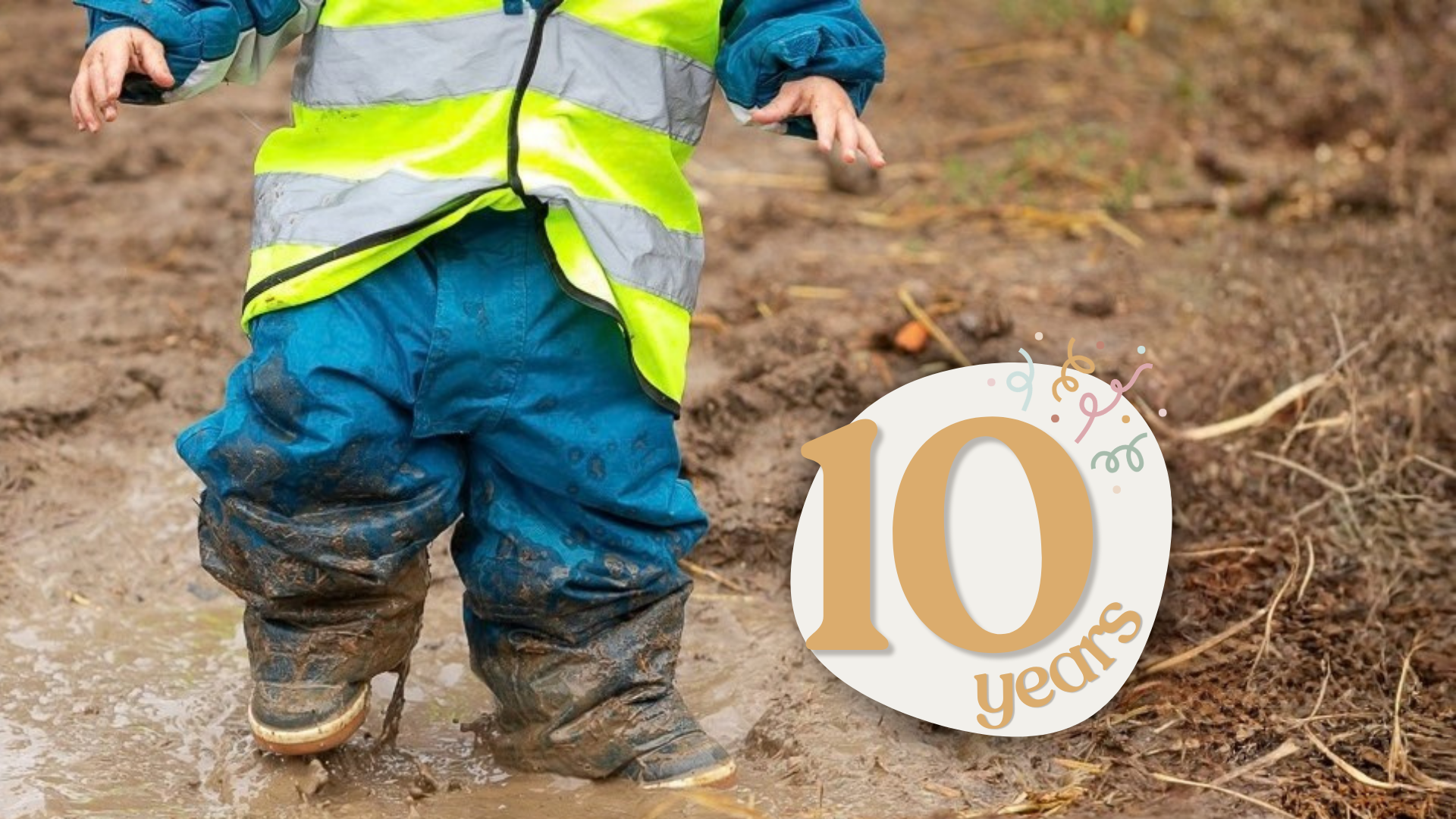
When a child becomes fascinated by a ladybird in the garden, the sound of rain on a window, or how a tower stays standing, we see more than a passing interest. We see an opportunity to explore, investigate and deepen understanding. Instead of moving quickly on to the next planned activity, we make space for children's curiosity to lead the way.
This approach encourages children to investigate, problem-solve and think critically in ways that feel meaningful to them. By following their interests and responding thoughtfully to their ideas, we create learning experiences that are engaging, memorable and rooted in genuine curiosity.
Our thinking is inspired by the work of Loris Malaguzzi, founder of the Reggio Emilia approach, who believed children arrive rich in ideas, experiences and ways of understanding the world. Even babies come to us having already developed skills, formed relationships and begun making sense of the world around them.
We often describe it as children arriving with a “backpack already full of ideas, questions and knowledge”. Our role is not to fill the backpack from scratch, but to help children unpack it, explore what's inside and add to it through meaningful experiences, conversations and opportunities for discovery.
The hundred languages of children
Every child communicates, explores and learns in their own way.
Some children express themselves through conversation, others through drawing, building, movement, music, role play or storytelling.The Reggio Emilia approach describes these as the child's "hundred languages" - the many ways children make sense of their experiences and share their understanding.
By recognising and valuing these different forms of expression, we can better understand what interests, motivates and inspires each child.
Our image of the child
The way we view children shapes every interaction we have with them.
When we see children as capable learners, the questions we ask ourselves begin to change. Instead of asking, "What do I want this child to learn today?", we ask:
· What is this child curious about?
· What are they trying to understand?
· What am I noticing in their play?
· How can I deepen their thinking and extend their exploration?
These questions sit at the heart of inquiry-led learning and help us create experiences that are meaningful, engaging and relevant to each child.
The environment as the third teacher
Children learn from the people around them, but they also learn from the spaces they spend time in.
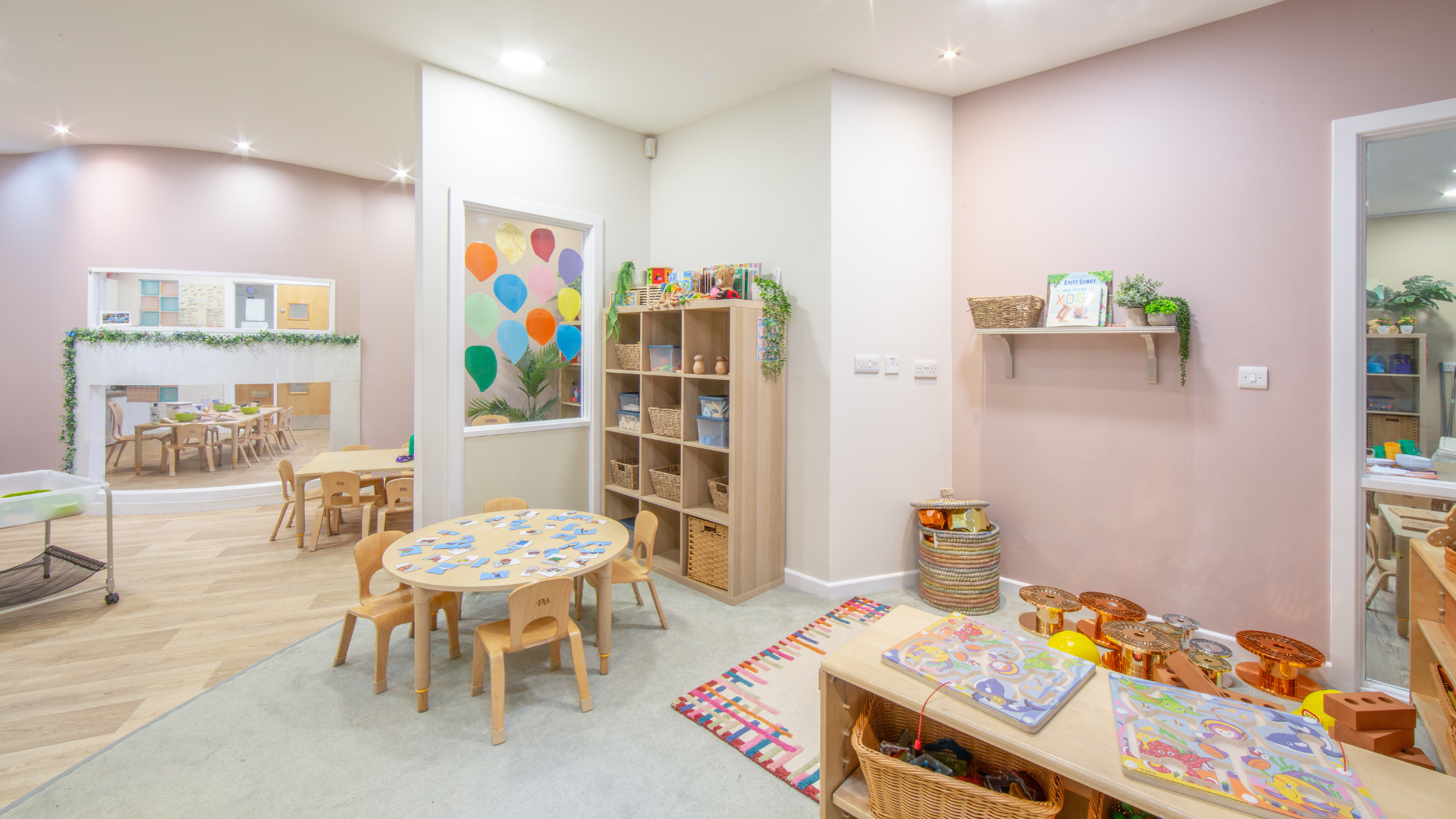
That's why the environment plays such an important role in our approach. Every nursery space is carefully designed to inspire curiosity, encourage independence and create opportunities for discovery.
You'll notice resources that are thoughtfully presented and within children's reach, inviting them to make choices, follow their interests and explore independently. There are places to collaborate with friends, quiet corners to reflect, creative spaces to express ideas and opportunities to investigate the world around them.
We often refer to this as the environment being the "third teacher". Alongside educators and peers, the space itself supports learning by provoking questions, encouraging exploration and helping children develop confidence in their own abilities.
The Early Years Foundation Stage (EYFS) describes this as an enabling environment - one that supports children to build positive relationships, develop resilience and engage in the characteristics of effective learning: playing and exploring, active learning, and creating and thinking critically.
How inquiry-led learning looks in practice
Inquiry-led learning doesn't begin with an adult deciding all the answers. It begins with a question, an observation or a moment of curiosity.
A child might become fascinated by shadows in the garden, wonder why leaves change colour, or ask how a spider builds its web. Rather than providing a quick answer and moving on, our educators treat these moments as valuable opportunities for learning.
By observing, listening and asking thoughtful questions, we help children explore their ideas and test their theories. Together, we investigate through conversation, books, creative expression, outdoor experiences, experiments and first-hand discovery.
For example, a child's interest in worms might lead to:
· Searching for worms in the garden
· Creating drawings, models or stories about them
· Reading books about habitats and mini beasts
· Recording observations and discoveries
· Discussing life cycles and where worms live
· Learning how to care for living things and respect nature
What begins as a simple question can sometimes develop into days or even weeks of rich, meaningful learning. Because the exploration is driven by genuine interest, children are often deeply engaged, motivated and eager to learn more.
Through this approach, children become active participants in their own learning. They develop confidence in their ideas, learn to ask questions, solve problems and think critically, skills that support them not only at nursery, but throughout their lives.
If you'd like to see inquiry-led learning in action, we'd love to welcome you for a visit.
Find your nearest Storal nursery or book a tour to discover how our educators inspire curiosity every day.
FAQs
What is the difference between Reggio Emilia and inquiry-led learning?
Reggio Emilia is an educational philosophy that shapes how we view children and learning. It is built on the belief that children are capable, curious and competent learners who arrive with their own ideas, experiences and ways of understanding the world.
Inquiry-led learning and slow pedagogy are approaches that bring these beliefs to life in practice. By following children's interests, encouraging questions and creating time for deeper exploration, educators help children investigate, discover and build their understanding in meaningful ways.
Why is this approach beneficial for children?
When children are genuinely interested in what they are learning, they become more engaged, motivated and confident. Rather than simply being given information, they are encouraged to ask questions, test ideas, solve problems and think creatively.
This approach helps children develop important life skills such as resilience, communication, critical thinking and independence, while nurturing a genuine love of learning. Because learning is connected to their own interests and experiences, it is often deeper, more memorable and more meaningful.
Do you use the Reggio Emilia approach in your nurseries?
While not all of our nurseries follow the Reggio Emilia approach exclusively, our curriculum is inspired by many of its principles, particularly inquiry-led learning, children's agency and the importance of the environment. We encourage educators across all of our nurseries to nurture children's curiosity and build learning experiences around their interests and discoveries.
We draw on several pedagogical approaches. Children arrive with different temperaments, interests and ways of learning, so having a broad selection of pedagogical approaches to draw on allows the educators to choose which way of teaching and learning suits the child at that moment.
This sits squarely with the EYFS principle of the Unique Child and the Characteristics of Effective Learning - Playing and exploring, active learning and crating and thinking critically. We need to adapt to the way the child learns best rather than expecting every child to learn in the same way.
What is Storal's whole-child approach?
Our whole-child approach recognises that children's learning, wellbeing, relationships and development are deeply connected. We focus on supporting every aspect of a child's growth, helping them to develop emotionally, socially, physically and academically through meaningful experiences, nurturing relationships and play-based learning.
What makes your curriculum different?
Our curriculum blends child-led inquiry with purposeful teaching and meaningful experiences. Rather than focusing solely on what children should know next, we focus on understanding their interests, strengths and developmental needs so that learning feels relevant, engaging and memorable. This helps children develop the confidence, creativity and critical thinking skills that underpin lifelong learning.